Decoding the Symbolism in Traditional Japanese Tattoos: A Journey into Irezumi Art
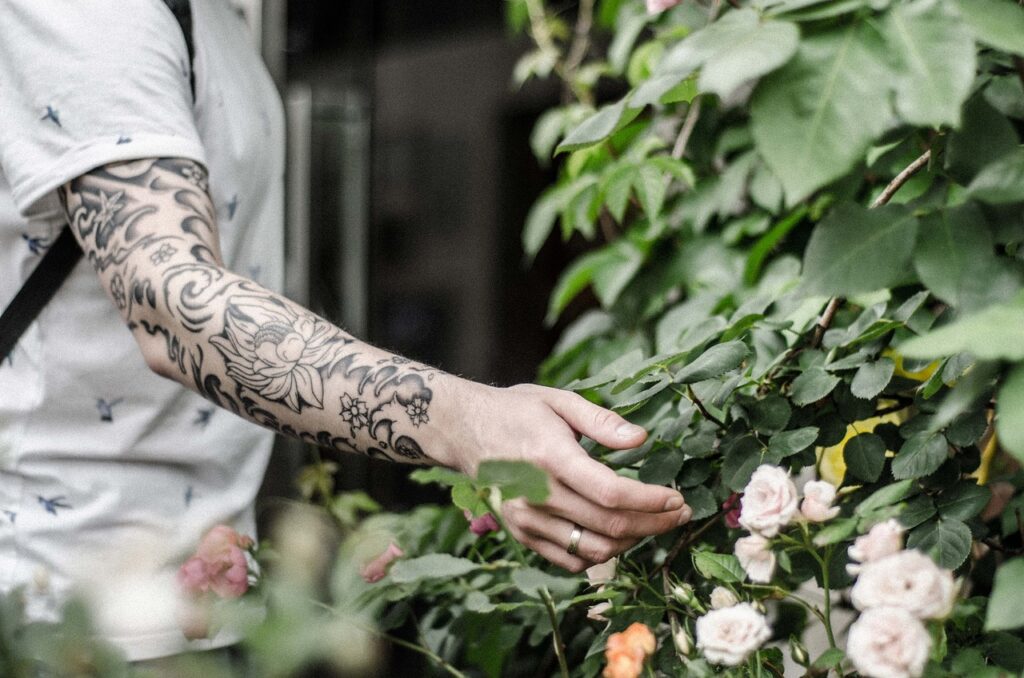
Delving into the world of traditional Japanese tattoos—known as Irezumi—reveals a captivating tapestry of rich symbolism, cultural history, and intricate aesthetics. These striking, time-honoured designs boast not only visually arresting imagery, but also profound meanings rooted in Japanese history, folklore, and tradition. At our renowned Bali tattoo studio, we are honoured to pay tribute to this ancient art form, ensuring that clients receive the utmost appreciation and respect for the cultural significance and symbolism behind the Irezumi designs they choose to incorporate into their tattoo journeys. In this illuminating exploration of traditional Japanese tattoos, we will guide you on a cultural and artistic journey as we delve into the symbolism, significance, and techniques that define the resplendent world of Irezumi. You will discover the beguiling stories behind various iconic motifs, along with the cultural values and ideals they represent, empowering you to make more informed decisions when selecting your perfect Japanese-inspired design. Iconic Motifs and Their Symbolic Meanings As we venture into the enigmatic realm of Irezumi, it is essential to explore various iconic motifs that often grace the canvas of traditional Japanese tattoos. Unveiling the meanings behind these striking images allows you to appreciate the depth and significance they embody: 1. Koi Fish: Perhaps one of the most universally recognised Japanese symbols, the koi fish represents perseverance, strength, and good fortune. According to legend, this resilient fish swam upstream to transform into a majestic dragon, signifying the determination and courage to overcome life’s challenges. 2. Dragons: Prized for their mythical power and prowess, dragons symbolise wisdom, protection, and success. Ranging from benevolent water deities to fearsome mountain guardians, these creatures hold a prominent place in Japanese culture and tattoo artistry. 3. Phoenix: The mythological phoenix is a symbol of transformation, rebirth, and immortality, epitomising the never-ending cycle of life, death, and resurrection. Its awe-inspiring plumage and regal bearing make it an enduring and captivating symbol in Irezumi. 4. Cherry Blossoms: These ephemeral blooms symbolise the fleeting nature of life and the beauty inherent in impermanence. Cherry blossoms remind us to cherish every moment and embrace the transient nature of our existence, imbuing our tattoos with a poignant reminder of life’s fleeting essence. The Artistry and Techniques behind Irezumi Traditional Japanese tattoos are characterised by their unique composition, bold designs, and masterful skill involved in their creation. An analysis of the principles and techniques guiding Irezumi reveals the artistic mastery behind these captivating works: 1. Compositional Balance: Careful consideration is given to composition, ensuring that the design elements flow harmoniously across the body. The tattoos often include varying sizes of motifs complementing each other and following the natural curves and contours of human anatomy. 2. Bold Colours and Contrasts: A predominantly black and grey palette forms the foundation of many traditional Japanese tattoos. This creates a stark contrast against the vibrant hues used to accentuate the design, resulting in a striking and visually arresting piece. 3. Use of Negative Space: Skilful manipulation of negative space within the design helps to create depth and dimension. This technique showcases the intricate layers and finer details of the motifs, further enhancing the overall impact and allure of the tattoo. 4. Tebori: This time-honoured tattooing technique uses traditional hand-held tools to puncture and apply ink into the skin, harnessing precision, control, and patience to create a detailed and mesmerising final piece. Preserving the Cultural Significance and Respect Due to the ancient roots of Irezumi and its deep ties with Japanese culture, it is vital to approach these designs with reverence and respect. Here are some considerations for those considering traditional Japanese tattoos: 1. Cultural Context: Understanding the cultural origins and meanings inherent in Irezumi designs allows you to make informed choices and ensure that the tattoo holds both personal significance and cultural appropriateness. 2. Connection with Spirituality: Many traditional Japanese motifs are imbued with spiritual connotations and may be associated with specific religious belief systems. Being aware of these spiritual dimensions will help you select designs that resonate with your beliefs or pay homage to Japanese spirituality in an authentic and respectful way. 3. Collaboration with Artists: To create an authentic piece that pays tribute to the traditions of Irezumi, work closely with a skilled tattoo artist who has a deep understanding of Japanese culture and artistry. Their guidance will help you develop a design that pays homage to this revered art form whilst incorporating elements of your personal narrative. Embracing Personal Meaning within the World of Irezumi As you delve further into the captivating world of traditional Japanese tattoos, you may find yourself inspired to incorporate these profound and mesmerising designs into your own body art. Consider the following steps for creating a uniquely personal Irezumi piece: 1. Reflect on Your Story: Discern which motifs resonate most deeply with your personal journey, values, and aspirations, and how they can be woven into a meaningful design that reflects your unique narrative. 2. Customisation and Adaptation: Collaborate closely with your tattoo artist to develop a personalised interpretation of your chosen motifs, striking a balance between respecting the traditional aspects of Irezumi whilst incorporating elements that reflect your individuality. Conclusion: Embracing the Ancient Wisdom and Aesthetics of Irezumi Art As you venture deeper into the fascinating realm of traditional Japanese tattoos, you not only uncover the beguiling symbolism and culture behind Irezumi but also uncover a wealth of inspiration for your unique tattoo journey. By honouring the ancient artistry, respecting cultural traditions, and seeking the guidance of skilled artists at Tirta Bali Ink Tattoo Studio, you can create a deeply meaningful and visually captivating expression of your personal story, immortalised in the timeless and mesmerising art form of Irezumi. Are you enthralled by the enigmatic world of traditional Japanese tattoos and ready to weave the rich symbolism and cultural heritage of Irezumi into your tattoo journey? Visit our tattoo art studio and allow our skilled artists to create a deeply meaningful and visually stunning design, bringing the timeless beauty of traditional Japanese artistry to your
Exploring Diverse Tattoo Styles: Find Your Perfect Design and Techniques
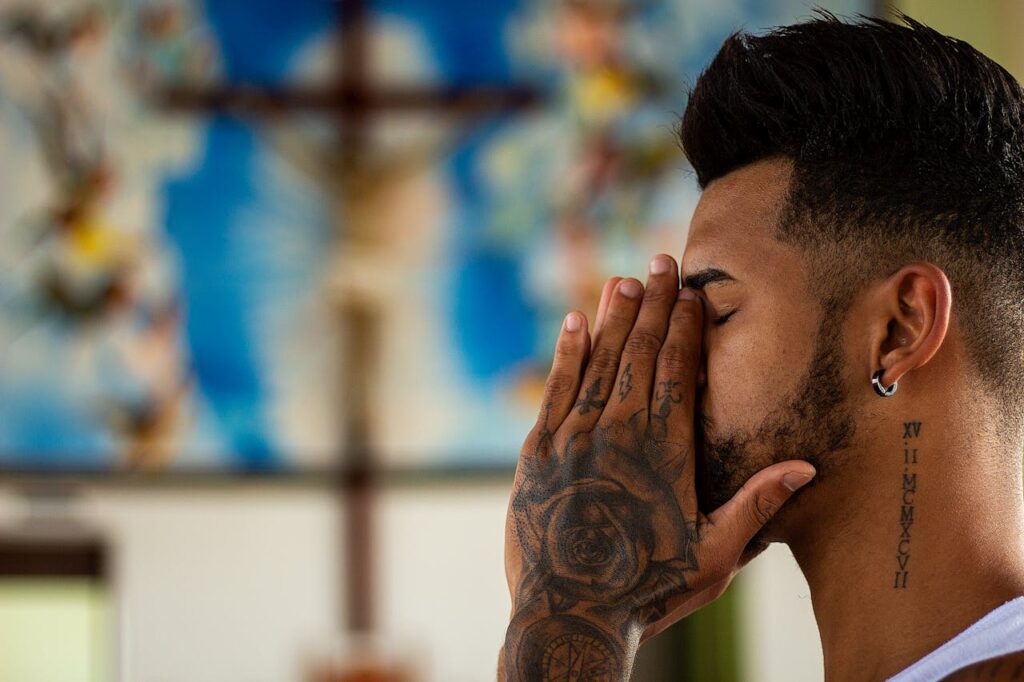
Tattoos have been a form of self-expression and storytelling for centuries, with various styles and techniques emerging from different cultures and time periods. As diverse as the people who wear them, tattoos can embody a wide range of meanings, aesthetics, and artistic approaches. For those considering a new tattoo, understanding the rich history and unique features of various tattoo styles can provide valuable inspiration and guidance while choosing the perfect design that resonates with your personal style and preferences. In this comprehensive guide to tattoo styles and techniques, we aim to explore various tattoo designs gaining popularity and recognition across the globe. Spanning from traditional styles inspired by ancient cultures to contemporary and experimental techniques, we will delve into the origins, characteristics, and unique visual elements that set each style apart. By understanding the different tattoo styles and techniques available and assessing their relevance to your vision, you can make a well-informed decision about the most fitting design and approach for your next tattoo project. Traditional and Tribal Tattoo Styles Traditional and tribal tattoos boast ancient roots tied to specific cultures, reflecting spirituality, mythology, and social significance. As some of the oldest tattoo forms, exploring these styles offers valuable insight into the extensive history of body art. 1. Polynesian Tattoos: Originating from the Polynesian islands, Polynesian tattoos have deep cultural significance and feature beautiful, bold, and intricate designs. Typically created using traditional techniques, these tattoos incorporate geometric and symmetrical patterns often centred around spiritual and mythological symbols. 2. Traditional Japanese Tattoos: Also known as Irezumi, traditional Japanese tattoos involve highly detailed, hand-drawn designs featuring mythical creatures, nature elements, and Japanese folklore characters. Rich in symbolism and often extending across large areas of the body, these tattoos offer a visually stunning and culturally captivating option. 3. Indigenous Tattoo Styles: Many indigenous cultures worldwide have their unique tattoo styles, each conveying cultural significance and stories through symbolic designs. For instance, Maori or Moko tattoos from New Zealand are known for their intricate, detailed patterns that often cover the face and depict one’s tribal heritage and social status. Contemporary Tattoo Styles Contemporary tattoo styles have evolved and grown from traditional techniques while incorporating modern, artistic influences to create striking, captivating designs. 1. Realism: Realism tattoos present an impressive level of detail and precision to depict realistic portraits, natural elements, or everyday objects. By capturing the essence of the subject, they create an illusion of depth and three-dimensionality, making it a popular choice among tattoo enthusiasts. 2. Watercolour: As the name implies, watercolour tattoos mimic the effect of watercolour paintings, incorporating vibrant colour palettes and whimsical brushstrokes. Celebrated for their uniqueness and artistic appeal, these tattoos often combine sketched or illustrated elements with splashes of colour to create a breathtaking visual impact. 3. Geometric and Dot-work: Geometric tattoos utilise intricate shapes, patterns, and precise linework to create complex, symmetrical designs. Dot-work tattoos, on the other hand, use countless individual dots to produce the desired image. These styles often intertwine, producing striking, contemporary tattoos that blend harmoniously with the body’s natural curves. Alternative and Experimental Techniques Alternative tattoo styles encompass experimental techniques that push the boundaries of traditional tattoo art, offering clients distinctive options to express their individuality and creativity. 1. Blackwork: Blackwork tattoos involve large, solid areas of black ink, creating bold and visually striking designs. Although rooted in ancient tribal tattoos, modern interpretations of blackwork tattoos often employ geometric patterns, mandalas, and illustrative elements for a fresh, contemporary twist. 2. Biomechanical Tattoos: By merging the human form with mechanical elements, biomechanical tattoos create the illusion of a cyborg or robotic body part. This style incorporates intricate detail and shading techniques to create an exciting visual spectacle. 3. Negative Space Tattoos: Negative space tattoos creatively incorporate the absence of ink to create a unique design. By using the uninked areas as part of the overall artwork, these tattoos offer a distinctive, minimalist option for those seeking an unconventional tattoo style. Choosing the Right Tattoo Style: Key Considerations Selecting the perfect tattoo style involves reflecting on your personal preferences, artistic tastes, and individual vision for the design. Here are key considerations to keep in mind: 1. Personal Connection: Choose a design that resonates with your unique journey, preferences, and personal story. Whether rooted in ancient spirituality or modern, abstract concepts, select a style that speaks to your heart. 2. Visual Preferences: Consider the visual elements that appeal to you, such as bold linework, bright colours, or intricate detail. By identifying your preferred visual elements, you can narrow down the tattoo styles that align with your taste. 3. The Artist’s Expertise: It’s crucial to research and connect with tattoo artists who excel in the tattoo style you desire. By working with a skilled artist experienced in your chosen style, you can ensure that your tattoo achieves the desired effect. Final Thoughts By exploring the multifaceted world of tattoo styles and techniques, you can gain a deeper understanding of the artistry, beauty, and cultural significance that this form of body art encompasses. From ancient tribal roots to innovative, modern interpretations, tattoos continue to claim a coveted spot in the realm of self-expression. Whether it’s your first tattoo or you’re a seasoned collector, choose a design and style that reflects your unique personality and vision. At Tirta Bali Ink Tattoo Studio, our talented artists are eager to collaborate with you on your tattoo journey, helping you bring your dream tattoo to life. Begin your exploration of diverse tattoo styles and techniques by booking a consultation with the skilled tattoo artists at Tirta Bali Ink Tattoo Studio. Together, we’ll design your perfect tattoo that captures your individuality and artistic taste. Contact our Bali tattoo studio today!
Unveiling the Beauty of Watercolour Tattoos: The Artistry and Techniques
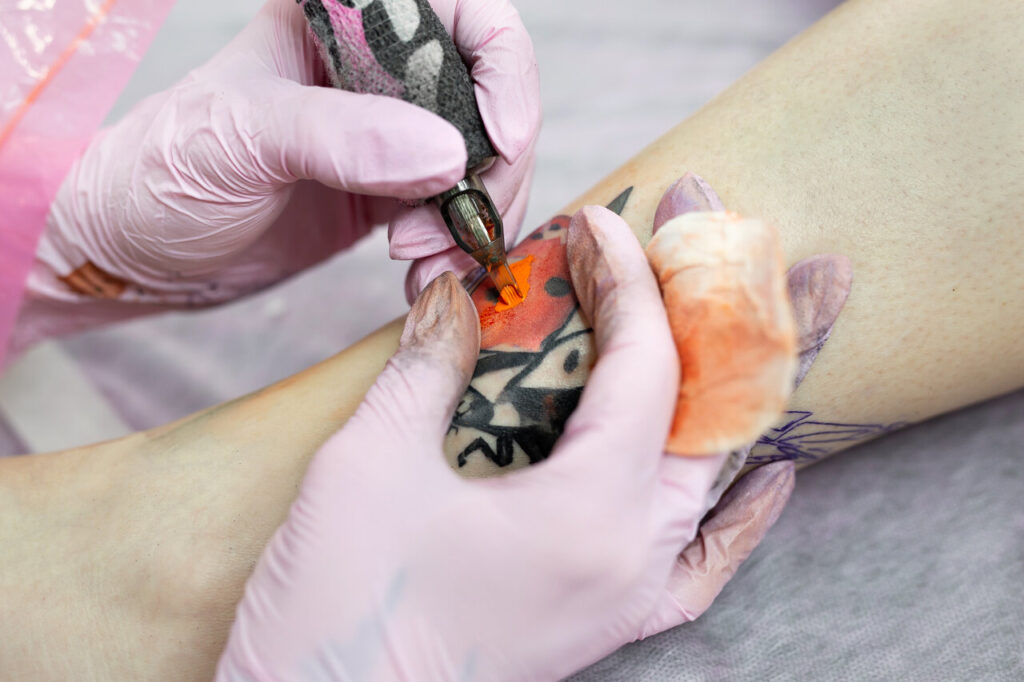
In the captivating realm of tattoo artistry, few styles can evoke the same graceful, dreamlike quality as watercolour tattoos. This enchanting approach draws inspiration from traditional watercolour paintings, recreating the delicate nuances of colours intermingling and gently fading on the canvas of one’s skin. As a renowned Bali tattoo studio, we take immense pride in offering our clients the opportunity to embrace the allure of watercolour tattoos crafted by the skilled hands of our talented artists. Through this comprehensive exploration of the watercolour tattoo trend, we aim to provide our readers and clients with a deeper understanding and appreciation of the techniques and artistry that underpin this mesmerising style. We will investigate the defining features of watercolour tattoos, along with the skillset and expertise required of a tattoo artist to ensure a stunning, enduring result. Moreover, we will share insights into choosing the ideal watercolour design that will not only resonate with your personal aesthetic but also stand the test of time. Defining Characteristics: What Sets Watercolour Tattoos Apart Watercolour tattoos are easily distinguished by their soft, flowing nature and painterly appearance. This dreamy style often incorporates a seemingly effortless blending of colours reminiscent of traditional watercolour paintings. Here are some key aspects that define watercolour tattoos: 1. Colour Palette: The use of vibrant, saturated hues is a fundamental aspect of watercolour tattoos. These colours typically feature subtle gradations and smooth transitions, embodying the fluid nature of watercolour art. 2. Lack of Outlines: Unlike traditional tattoos, which use bold black outlines to frame and define the design, watercolour tattoos often rely on the juxtaposition of colours to create form and contrast. This absence of clear borders contributes to the dreamlike, ethereal quality of the tattoo. 3. Artistic Techniques: Skilled tattoo artists employ specialised techniques, such as blending, layering, and colour washes, to achieve a realistic watercolour effect. This requires an exceptional mastery of tattooing, along with an understanding of traditional painting techniques. 4. Subject Matter: Watercolour tattoos often depict whimsical, romantic imagery, such as delicate florals, celestial themes, or ethereal creatures. However, this versatile style can also be employed to add a touch of magic to any subject matter, from abstract designs to beloved quotes. Crafting Watercolour Tattoos: The Artistry and Expertise Required To create a captivating watercolour tattoo requires not just innate artistic talent but also a deep understanding of tattooing techniques and the unique challenges posed by this particular style. Elements that contribute to the successful creation of a watercolour tattoo include: 1. Comprehensive Colour Theory: Expert tattoo artists have an in-depth knowledge of colour theory and understand how to blend and layer colours effectively. This understanding is crucial for achieving the smooth transitions that are a hallmark of the watercolour style. 2. Control and Precision: To replicate the intricacies of watercolour paintings, tattoo artists employ techniques such as shading, stippling, and colour washes. The accurate execution of these techniques demands a steady hand and impressive level of control. 3. Adaptation and Balance: Tattoo artists must consider factors such as skin tone, the effect of ink over time, and the natural placement of the tattoo on the body when designing a watercolour piece. This entails striking a balance between artistic vision and technical considerations, ensuring that the final design remains vibrant and visually appealing for years to come. Choosing Your Perfect Watercolour Design Selecting the ideal watercolour design can be a deeply personal and thrilling journey, as it requires a connection between both artistic vision and personal sentiment. When searching for your perfect watercolour tattoo design, consider the following: 1. Personal Resonance: Your tattoo should hold a personal significance, reflecting your interests, memories, or meaningful moments. Take the time to explore what resonates with you, and consider how the watercolour style can bring your chosen subject to life. 2. Longevity and Adaptability: Certain elements of a watercolour tattoo may undergo changes over time, such as fading or colour shifts. Work closely with your tattoo artist to develop a design that addresses these concerns while staying true to the watercolour aesthetic. 3. Suitability of the Style: While watercolour tattoos can be applied to a wide range of subjects, certain designs may benefit more from this ethereal style than others. Collaborate with your tattoo artist to determine if your chosen image or concept will effectively translate within the realms of watercolour artistry. 4. Trust in Your Artist: Throughout the design process, trust the expertise of your chosen tattoo artist. They can help ensure that your tattoo harmoniously marries the watercolour style with your personal vision, fostering a piece that reflects both creativity and deep significance. Embracing the Enchantment of Watercolour Tattoos As you delve into the captivating world of watercolour tattoos, you can begin to unravel the magic behind this alluring art form, learning about the defining characteristics, specialised techniques, and the passion and expertise required of a skilled artist. With thoughtful consideration and collaboration with a gifted tattoo artist, you hold the potential to bring your vision to life, culminating in a watercolour tattoo that enchants, mesmerises, and serves as a testament to your personal journey. If you’re ready to embark upon the captivating journey of watercolour tattoo artistry, Tirta Bali Tattoo & Studio is here to bring your dreams to fruition. Contact us today to start a conversation with our talented team of artists and explore the limitless possibilities offered by the timeless, enchanting world of watercolour tattoos with our incredible tattoo studio!
Mastering the Art of Tattoo Aftercare: A Comprehensive Guide to Preserving Your Ink

Tattoos can be a remarkable and powerful way to etch a meaningful moment or sentiment into our skin forever. However, once we’ve committed to a design and placed our faith in the hands of a talented artist, it’s crucial to master the art of tattoo aftercare to ensure that our new ink remains vibrant and healthy as time passes. At our renowned Bali tattoo studio, we pride ourselves on helping clients not only achieve their dream tattoos but also providing expert knowledge and guidance on preserving their body art over the years. In this comprehensive guide, we will delve into every aspect of tattoo aftercare, including essential tips for the initial healing process, long-term maintenance techniques, and recommendations for touch-up sessions. Drawing from our extensive experience and expertise as Bali’s finest tattoo artists, we will provide our clients and readers with the resources and knowledge to maintain their ink meticulously. From the moment you leave our studio with your fresh tattoo, it is important to protect and nurture your new artwork to ensure that it heals correctly and retains its vibrancy. By dedicating time and attention to tattoo aftercare, you are not only safeguarding your investment but also honouring the creative process and the story behind your body art. Let us guide you through the journey of tattoo aftercare, empowering you to care for your ink with confidence and extending the longevity of your body art, so it remains a timeless testament to your unique style and experiences. Initial Healing Process: The Critical First Steps The initial healing process is a critical stage in preserving the integrity and appearance of your fresh tattoo. By adhering to a diligent aftercare regimen during this period, you can help your tattoo heal properly and prevent complications such as infections or ink fading. Key steps for the initial healing process include: Long-term Maintenance: Keeping Your Tattoo Vibrant To ensure your tattoo remains vibrant and vivid for years to come, it’s vital to implement long-term maintenance practices that protect your ink from factors that can lead to fading or damage. Essential tips for long-term tattoo maintenance include: Touch-ups: Revitalising Your Tattoo for a Timeless Appeal Despite our best efforts and vigilance in maintenance, tattoos may require touch-ups over time to maintain their visual appeal. Factors such as sun exposure, skin stretching, or intricacies in the initial design can lead to fading, blurring, or a need for additional detail in your tattoo. Touch-ups can rejuvenate the appearance of your body art, ensuring it remains a stunning reflection of your personal journey and style. Cherishing and Preserving Your Body Art Legacy Your tattoo is more than just a beautiful design etched onto your skin—it’s a reflection of your unique identity, experiences, and creative spirit. By mastering the art of tattoo aftercare, you are taking the indispensable steps to honour the personal meaning and story behind your body art. Through diligent maintenance, protection, and occasional touch-ups, you can ensure that your tattoo remains a vibrant, enduring expression of your individuality and cherished memories. Looking for the perfect tattoo shop to embark on your tattoo journey? Look no further than Tirta Bali Tattoo & Studio! Our exceptional artistry and aftercare expertise will give you the confidence to get the tattoo of your dreams. Contact us today to schedule a consultation with our talented team and let us guide you through the process. We’ll help you achieve the perfect tattoo design and provide you with the knowledge and guidance to preserve your body art for years to come.
The Ultimate Guide to Tattoo Aftercare: Tips for a Healthy, Long-lasting Tattoo

Getting a new tattoo is undeniably an exciting experience, and the anticipation of showcasing your new body art can be exhilarating. However, the responsibility of caring for your tattoo does not end once you leave the tattoo studio – diligent aftercare is crucial to ensuring that your tattoo heals properly and maintains its vibrant colours and crisp details. In this comprehensive guide, we will discuss essential aftercare tips and practices, including the process of cleaning and moisturising your tattoo, what products to use, the dos and don’ts of tattoo care, and how to maintain the vibrancy of your body art over time. Additionally, we will touch on the different tattoo healing stages and the signs of potential complications to watch out for, keeping you informed and prepared throughout your tattoo journey. Healing Stages and General Care The tattoo healing process typically involves three stages, each with its unique set of care requirements. Understanding these stages will allow you to care for your tattoo appropriately throughout the healing process. 1. Stage One: Oozing, Cleaning and Protecting (1-3 Days) During the first stage, your tattoo may ooze ink and plasma and have a slight sheen. Keep the tattoo clean and dry by gently washing it with fragrance-free soap 2-3 times daily and patting it dry with a clean paper towel. After washing, apply a thin layer of tattoo-specific ointment or unscented moisturiser to protect the area from bacteria. 2. Stage Two: Scabbing and Itching (4-14 Days) In the second stage, your tattoo will start developing scabs and may become itchy. Never scratch or pick at the scabs as it can cause infection or damage the tattoo’s appearance. Continue to clean and moisturise the area gently to alleviate the itchiness. 3. Stage Three: Flaking and Peeling (2-4 Weeks) During this final stage, the scabs will gradually fall off, revealing lighter and slightly shiny skin underneath. Continue to moisturise the tattoo daily and avoid exposing it to direct sunlight. Essential Aftercare Tips and Practices Now that we have covered the healing stages, let’s delve into the essential aftercare tips and practices to ensure your tattoo heals beautifully and stays vibrant for years to come. 1. Selecting the Right Aftercare Products Selecting the right products for tattoo care can significantly impact the healing process. Use fragrance-free, gentle soap for cleaning and opt for tattoo-specific ointments or unscented moisturisers for hydration. Avoid using alcohol-based products, as they can be overly harsh and cause excessive dryness. 2. Keeping it Clean and Moist As mentioned earlier, keeping the tattoo clean and moisturised is vital for optimal healing. Regularly washing the tattoo gently removes dirt and bacteria, while applying a moisturiser helps maintain hydration, relieve itchiness, and promote better healing. Keep the tattoo dry apart from during cleaning, avoiding soaking in water during baths or showers. 3. Avoiding Sun Exposure Sunlight can cause fading and damage to your freshly inked tattoo. It is crucial to keep your tattoo covered and out of direct sunlight throughout the healing process and protect your tattoo with a high SPF sunscreen once fully healed. 4. Giving It Time to Breathe Your tattoo needs to breathe in order to heal properly. Avoid suffocating the tattoo by wearing tight, restrictive clothing that may rub against it, and refrain from wrapping it for long periods unless advised by your artist. Dos and Don’ts of Tattoo Care Proper tattoo care goes beyond the essential cleaning and moisturising steps. Below is a list of dos and don’ts to guide you through your tattoo healing journey. 1. DO: Follow Your Artist’s Advice Your tattoo artist will provide specific instructions for your tattoo aftercare – always adhere to their recommendations and seek advice if you have any questions or concerns. 2. DON’T: Pick or Scratch Your Tattoo As tempting as it may be, never pick or scratch your tattoo. Doing so can prolong the healing process, introduce infection, or damage the tattoo’s appearance. 3. DO: Stay Hydrated and Maintain a Healthy Lifestyle Staying hydrated and maintaining a balanced diet can aid in the tattoo healing process, supporting your immune system and promoting healthier skin. 4. DON’T: Submerge Your Tattoo in Water Avoid swimming and prolonged soaks in baths, hot tubs, or saunas during the healing process. Submerging your tattoo in water can lead to ink loss or possible infections. 5. DO: Be Mindful of Infection Signs Keep an eye out for signs of infection, such as excessive redness, swelling, foul-smelling discharge or prolonged discomfort. Consult a healthcare professional or your tattoo artist if you suspect any complications. Maintaining Your Tattoo’s Vibrancy Over Time Caring for your tattoo extends beyond the initial healing phase, ensuring that your body art remains vibrant and visually appealing for years to come. 1. Protect Your Tattoo from Sun Exposure Once your tattoo has fully healed, make it a habit to apply a high SPF sunscreen during sun exposure to protect the tattoo and prevent fading. 2. Keep Your Skin Moisturised and Nourished Regularly applying moisturiser to your healed tattoo and maintaining overall skin health helps preserve its visual appeal. 3. Regular Touch-ups With time, some tattoos require touch-ups to maintain their vibrant colours and crisp details. Consult with your artist if you believe your tattoo may benefit from a touch-up session. Conclusion By understanding the tattoo healing process and adopting a diligent tattoo aftercare routine, you can protect your investment and enjoy your beautiful body art for years to come. Remember, everyone’s skin heals differently, and it is essential to seek guidance from your tattoo artist if you have any questions or concerns during the healing process. Ready to embark on your tattoo journey? Book a consultation with the skilled tattoo artists at Tirta Bali Tattoo & Studio to discuss your design ideas and receive personalised aftercare advice tailored to your unique tattoo needs.
Explore the World of Tattoo Styles and Techniques
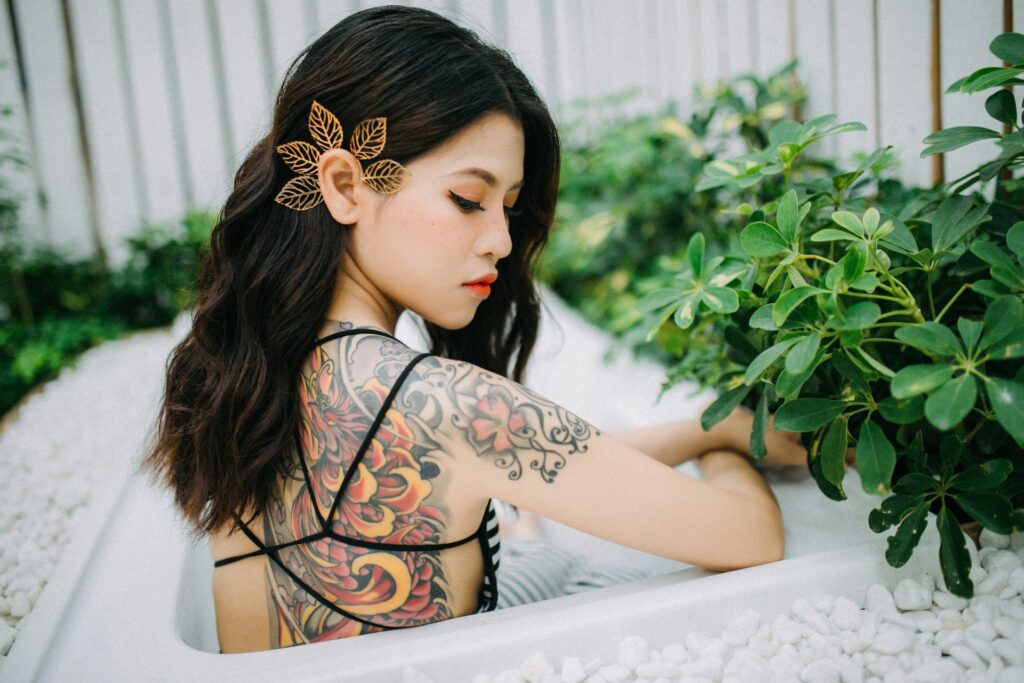
Tattoos have transcended from being a humble form of body modification to becoming a powerful medium of self-expression and artistry. Over the years, the tattooing industry has evolved, giving rise to a plethora of styles and techniques that cater to a wide variety of preferences and tastes. There is no shortage of tattoo styles and techniques available today. From traditional to contemporary, abstract to realistic, and everything in between, each style boasts distinctive features and aesthetics that make it stand out. Among the most popular styles are old-school, tribal, watercolour, realism, and Japanese – just to name a few. These styles showcase the remarkable versatility and creativity of tattoo art, and understanding their nuances can help you make informed decisions about your body art. In this comprehensive guide, we will delve into the vibrant world of tattoo styles and techniques, exploring their origins, unique characteristics, and visual appeal. Whether you are a tattoo enthusiast wanting to expand your knowledge or someone looking to get inked, this guide will provide valuable insights and inspiration for your journey into the fascinating realm of body art. Unraveling the Most Popular Tattoo Styles In the vast universe of tattoo styles, several stand out as the most popular and widely recognised forms of body art. Let us explore these influential styles in-depth to understand their unique aesthetics, symbolism, and historical significance. 1. Traditional (Old School) Traditional, or “old school” tattoos, are characterised by their bold outlines, vivid colours, and minimal shading. Iconic traditional designs include anchors, sparrows, nautical stars, and heart imagery. This enduring style has its roots in early Western tattooing culture and is often associated with legendary tattoo artist Sailor Jerry. 2. Tribal Tribal tattoos have been an integral part of cultures worldwide, with roots in Indigenous and ancient civilisations. With bold, black, geometric patterns, and intricate details, tribal designs often hold deep spiritual and cultural significance. Popular sub-styles within the tribal genre include Maori, Polynesian, and Samoan. 3. Watercolour As the name suggests, watercolour tattoos mimic the effect of painting with water-based pigments on paper. This contemporary style features soft, flowing colours, delicate gradients, and textured shading, often blending with traditional black lines and outlines. Watercolour designs are admired for their artistic beauty and expressiveness. 4. Realism Realistic tattoos capture the essence of the subject matter with astonishing detail and accuracy. The technique involves meticulous shading, often in grayscale or colour, to create a lifelike, three-dimensional illusion. Portraits and nature-themed designs are common choices for this style. 5. Japanese (Irezumi) With roots dating back centuries, Japanese tattoos, also known as Irezumi, are steeped in tradition and cultural significance. Comprising intricate, colourful scenes, these tattoos often feature mythical creatures, nature elements, and symbolic motifs that tell a story. The unique composition, artistic skill, and strong symbolism make this style popular across demographics. Exploring Cutting-Edge Tattoo Techniques While each tattoo style comes with its distinctive features and flair, it is the underlying techniques employed that truly bring these designs to life. Let us take a closer look at some innovative tattoo techniques that have emerged in recent years, pushing the boundaries of tattoo art further. 1. Stippling Stippling is a tattooing technique that uses tiny dots to create intricate patterns, depth, and shading within a design. By varying the density and spacing of the dots, tattoo artists can give the illusion of texture and gradation. This technique is often used in combination with other styles to add dimension and create stunning visual effects. 2. Dot work Similar to stippling, dot work tattoos consist of meticulously placed dots to create an image or pattern. However, dot work tattoos primarily rely on geometric shapes and symmetry, forming intricate mandalas or spiritual designs. This clean, precise technique has gained popularity in recent years, especially within the realm of blackwork and sacred geometric tattoos. 3. Geometric Designs Geometric tattoos, as the name suggests, comprise intricate geometric shapes, patterns, and lines. With origins in sacred geometry and tribal designs, this technique celebrates symmetry, balance, and harmony. Designs can range from minimalistic, standalone shapes to full-body compositions, making this technique versatile and impactful. Selecting the Right Style and Technique for You With the vast array of tattoo styles and techniques available today, finding the perfect design for your tastes and preferences can be challenging. Here are some factors to consider when choosing a style and technique for your next tattoo: 1. Personal Style and Preferences Consider your aesthetic preferences, and seek inspiration from sources like art, fashion, and nature to identify a style that resonates with you personally. 2. Cultural and Symbolic Significance Certain tattoos carry cultural significance, like tribal or Japanese styles. Conduct thorough research before adopting such designs, and ensure that you understand and respect their roots. 3. Body Placement The placement of your tattoo will influence the choice of style and technique. Some designs lend themselves better to curved or flat surfaces, while others may require more space for intricate detailing. 4. Consultation with a Tattoo Artist Once you have a general idea of your desired style and technique, consult with your tattoo artist to fine-tune your design. An experienced tattoo artist, like the professionals at Tirta Bali Ink Tattoo, can offer invaluable insights and guidance to ensure that your artwork will be a beautiful reflection of your individuality. Final Thoughts The world of tattoo styles and techniques offers a diverse selection of artistic options for those looking to express themselves through the medium of body art. No matter your personal style or aesthetic preferences, there is a design and technique perfect for you. Explore the enchanting realm of tattoo styles and techniques with the skilled tattoo artists at Tirta Bali Ink Tattoo Studio. Book your appointment at our tattoo shop today to discuss your vision, creating a stunning, unique piece of art that will reflect your individuality and proudly adorn your body for years to come.
Tattoo Designs for Expectant Mothers: Precautions for a Safe and Rewarding Tattoo Experience
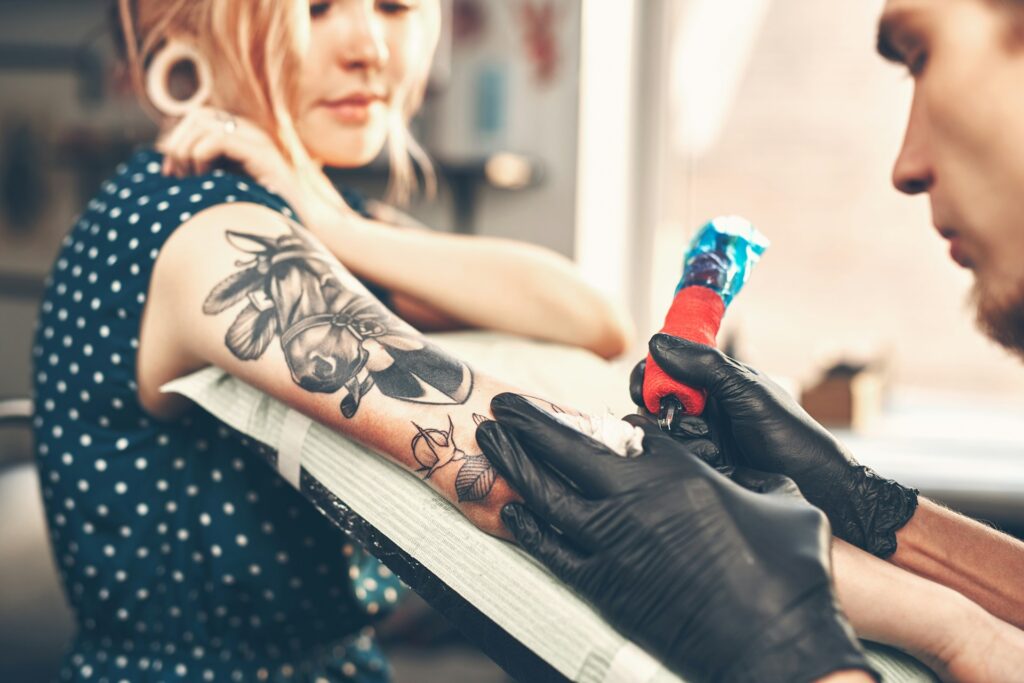
Deciding to get inked is an exciting and transformative experience for many individuals. However, for pregnant women looking to embrace this art form, it is crucial to understand the implications and precautions associated with planning a tattoo design during pregnancy. As a renowned Bali tattoo studio, Tirta Bali Tattoo & Studio strives to ensure the health, well-being, and satisfaction of all clients, with a particular emphasis on supporting expecting mothers in making informed choices on their tattoo designs and journeys. In this comprehensive guide for pregnant women, we shed light on the critical considerations and precautions that expecting mothers must be aware of before diving into the world of tattoo designs. We discuss topics such as the optimal timeline for getting tattooed during pregnancy, the importance of sterile and safe tattooing practices, and the particular care required during the healing process. Additionally, we consider how the physical changes that occur during pregnancy may affect the tattoo design and provide suggestions on how to adapt designs accordingly. At Tirta Bali Tattoo & Studio, our experienced staff and artists work closely with clients to navigate the complexities of pregnancy and body art, focusing on the health and safety of both mother and baby. We understand the need for a personalised approach when guiding pregnant clients through their tattoo journey, ensuring that the process adheres to the highest standards of care, professionalism, and sensitivity. Timing Your Tattoo: When Is It Safe to Get Inked During Pregnancy? Pregnancy presents unique challenges regarding the most appropriate time for getting a tattoo. While the personal choice of getting inked during pregnancy varies between individuals, there are certain stages and conditions that deem a period safer for expectant mothers. The first trimester is widely considered a time to avoid getting tattooed due to its heightened risk of miscarriage and the formation of crucial organs and systems within the developing foetus. The second trimester is generally deemed the safest period for getting a tattoo during pregnancy. If you choose to do so during this time, it is essential to consult with your healthcare provider and inform your tattoo artist of your pregnancy, ensuring that all necessary precautions are taken and any pertinent medical information is considered. Sterile and Safe Tattooing Practices: Ensuring the Well-being of Mother and Baby Adhering to strict hygiene and safety standards when getting tattooed during pregnancy is paramount in protecting the health of both mother and baby. Tattoos involve breaking the skin’s barrier, which inherently carries a small risk of infection. This risk is particularly significant during pregnancy, as the immune system may be weakened, making it more challenging to fend off infections. To mitigate this risk, it is crucial to choose a reputable and professional tattoo studio, like Tirta Bali Tattoo & Studio, that employs rigorous hygiene standards and safety protocols. Specifically, expecting mothers should ensure that the studio uses sterile and single-use equipment, the workspace is impeccably clean, and the tattoo artist follows proper sanitisation measures. Prioritising the safety and hygiene of your tattoo experience will not only protect you and your baby but also establish a strong foundation for a trouble-free healing process. Adapting Designs with the Changing Pregnant Body in Mind Pregnancy radically affects the body, causing the stretching and shifting of various areas, both during and post-pregnancy. Consequently, it is essential to consider how these changes may impact the final appearance of your tattoo design. Selecting a location on the body less prone to drastic fluctuations, such as the upper arms or back, will help minimise distortion and preserve the integrity of the design. Collaborating closely with your tattoo artist on the appropriate placement and adaptive design elements is critical for a satisfying and lasting outcome that celebrates motherhood. Caring for Your Tattoo During Pregnancy: Healing and Aftercare The importance of diligent aftercare cannot be understated for pregnant women who have recently been tattooed. Due to potential changes in the immune system during pregnancy, it is crucial to be even more vigilant about caring for your tattoo to prevent infection. Ensure that you follow your tattoo artist’s aftercare instructions closely, using doctor-approved, fragrance-free, and gentle products to care for the tattooed area. Additionally, be mindful of the unique challenges that pregnancy presents for the healing process, such as restricted mobility and potential discomfort in certain positions. Modify your aftercare routine and seek assistance from a healthcare professional or your tattoo artist if you encounter any difficulties or concerns. Balancing the Desire for Tattoo Artistry and the Safety of Motherhood Undoubtedly, the decision to embark on a tattoo journey during pregnancy is a deeply personal one that should be carefully considered and guided by sound advice from both healthcare professionals and experienced tattoo artists. By attentively observing the crucial aspects discussed above – appropriate timing, sterile tattooing practices, adaptive designs, and diligent aftercare – expecting mothers can navigate their tattoo journey with confidence and focus on the priority of ensuring the safety and well-being of both themselves and their baby. At Tirta Bali Tattoo & Studio, we pride ourselves on supporting and empowering pregnant women to make informed choices about their tattoo designs and experiences, offering tailored guidance and professional expertise throughout the process.Experience the perfect fusion of artistry and security with Tirta Bali Tattoo & Studio, guiding you through the unique journey of tattoo design and pregnancy. Schedule a consultation with our talented artists to receive personalised advice, support, and design solutions tailored to suit your individual needs during this special time. Get in touch today to begin your path towards a stunning and meaningful tattoo in Bali that commemorates the profound journey of motherhood and celebrates the bond between mother and child.
Dive into Watercolour Tattoos: Unleash Your Creativity with Expert Guidance with Our Talented Artists
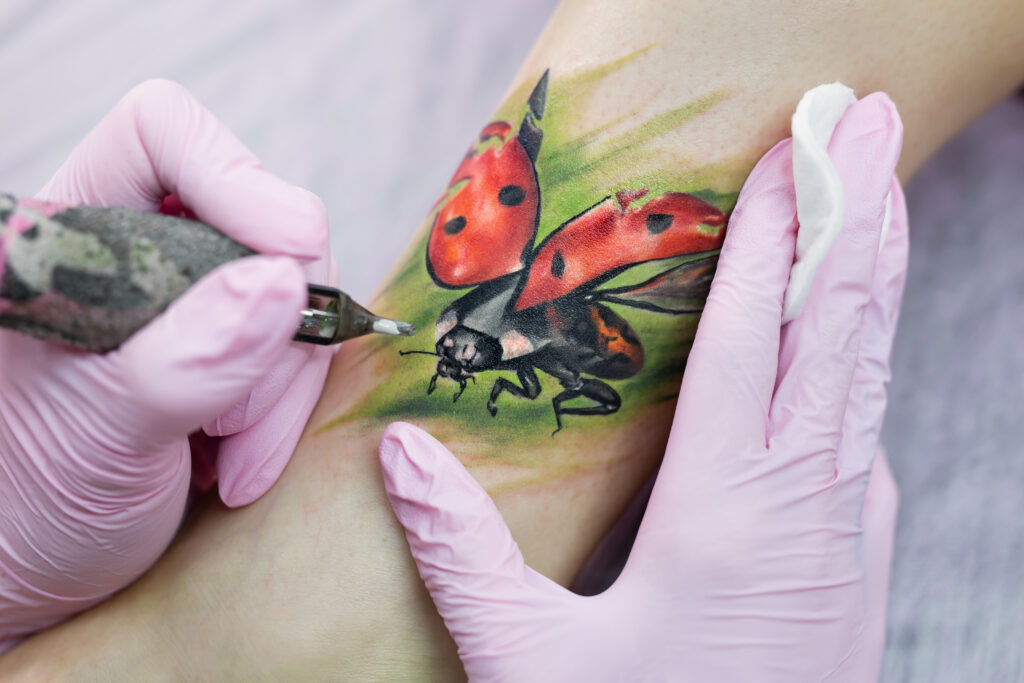
In the ever-evolving landscape of tattoo artistry, watercolour tattoos have emerged as a captivating and popular style that offers clients a refreshing alternative to traditional tattoo techniques. Featuring the distinct and ethereal charm of paint-on-canvas aesthetics, watercolour tattoos create dreamy and evocative body art for those who desire to express their creativity and individuality. As a renowned Bali tattoo studio, Tirta Bali Ink Tattoo & Studio prides itself on embracing a diverse range of tattoo styles, with a particular focus on guiding clients through the fascinating world of watercolour tattoos. In this in-depth exploration of watercolour tattoos, we delve into the elements that set this unique style apart from other tattoo techniques, focusing on subjects such as colour blending, ink application, and design considerations. Our comprehensive guide will provide clients with a thorough understanding of watercolour tattoo processes, allowing them to make informed choices and maximise the potential of their captivating art pieces. Defining Watercolour Tattoos: Captivating Aesthetics and Timeless Expressions Distinct from traditional tattoo styles, watercolour tattoos are characterised by their vibrant colours, translucency, and fluid, free-flowing appearance. Drawing inspiration from the artistry of watercolour paintings, this tattoo style boasts washed-out colour gradients, subtle colour splatters, and a delicate balance between solid and diffuse design elements. The creative freedom offered by watercolour tattoos enables clients to transform their body art into enchanting, timeless expressions of individuality and artistry. Innovative Techniques: Mastering Colour Blending and Ink Application The allure of watercolour tattoos stems from the innovative techniques employed by skilled tattoo artists to achieve the desired painterly effect. Mastering the art of colour blending and ink application, watercolour tattoo artists expertly combine various shades of colours, typically with a higher concentration of white, to create delicate, translucent effects. In addition to colour blending, the watercolour tattooing process involves skilful application of the ink through various techniques, such as dilution and layering, ensuring the desired balance of striking colours and ethereal washes. Working closely with a professional tattoo artist at a reputable studio like Tirta Bali Ink Tattoo & Studio ensures your watercolour tattoo achieves the perfect aesthetic harmony of bold and soft elements. Design Considerations: Artistic Vision Meets Expressive Body Art When conceptualising a watercolour tattoo, it is crucial to consider the design elements that contribute to the harmonious and captivating nature of the final artwork. Design traits such as subject matter, colour palette, and line work play a pivotal role in the outcome of your tattoo. – Subject Matter: With watercolour tattoos, clients can opt for a broad range of subject matter to create evocative and distinctive images. From florals and fauna to abstract shapes and symbols, the choice of subject matter should resonate with your personal style and artistic vision. – Colour Palette: The colours used in watercolour tattoos are an integral part of their charm and impact. It is essential to select a colour palette that complements your vision and skin tone, incorporating different tones to create depth and contrast in the composition. – Line Work: While line work may not be the primary focus in watercolour tattoos, its importance cannot be understated. A solid and well-conceived linework foundation is crucial in anchoring the fluid, colourful components of the design and ensuring longevity and clarity in the final outcome. In collaboration with Tirta Bali Ink Tattoo & Studio’s experienced artists, clients can hone in on these design elements, creating watercolour body art that is as captivating as it is unique. Watercolour Tattoo Longevity: Caring for Your Dynamic Skin Canvas One of the most frequently asked questions about watercolour tattoos concerns their longevity and how they age over time. Like any tattoo style, the quality of the design, execution and aftercare all contribute to its durability and vibrance in the long term. To ensure the longevity of your watercolour tattoo, it is vital to engage a skilled and experienced tattoo artist who can employ the proper techniques and approaches associated with this style. Additionally, diligent adherence to aftercare instructions, regular moisturising, and the use of sun protection are significant factors in preserving the vibrance and beauty of your watercolour tattoo for years to come. Your Journey into the Enchanting World of Watercolour Tattoos Watercolour tattoos offer a unique, expressive, and beautiful alternative to traditional tattoo styles, enabling clients to showcase their artistic flair and creativity in an enchanting, timeless way. With an excellent understanding of the elements that define this art form, from innovative techniques to design considerations, clients can embark on their watercolour tattoo journey with confidence and excitement. At Tirta Bali Ink Tattoo & Studio, your go-to Bali tattoo parlour, our talented and experienced tattoo artists are ready and eager to guide you through the captivating process of watercolour tattooing. With our exceptional artistry, personalised approach, and dedication to your vision, together, we will create a stunning and meaningful piece of body art that embodies the essence of your unique story. Dive into the world of watercolour tattoos and let your creative spirit soar with the expert guidance of Tirta Bali Ink Tattoo & Studio’s artists. Schedule a consultation today, and together, we will bring your mesmerising and captivating watercolour tattoo design to life. Contact us now and begin the transformative process of turning your skin into a vibrant, expressive masterpiece that truly reflects the colours of your soul.
Vegan Tattoos: Discover Cruelty-Free Tattooing and Make an Ethical Choice for Your Body Art
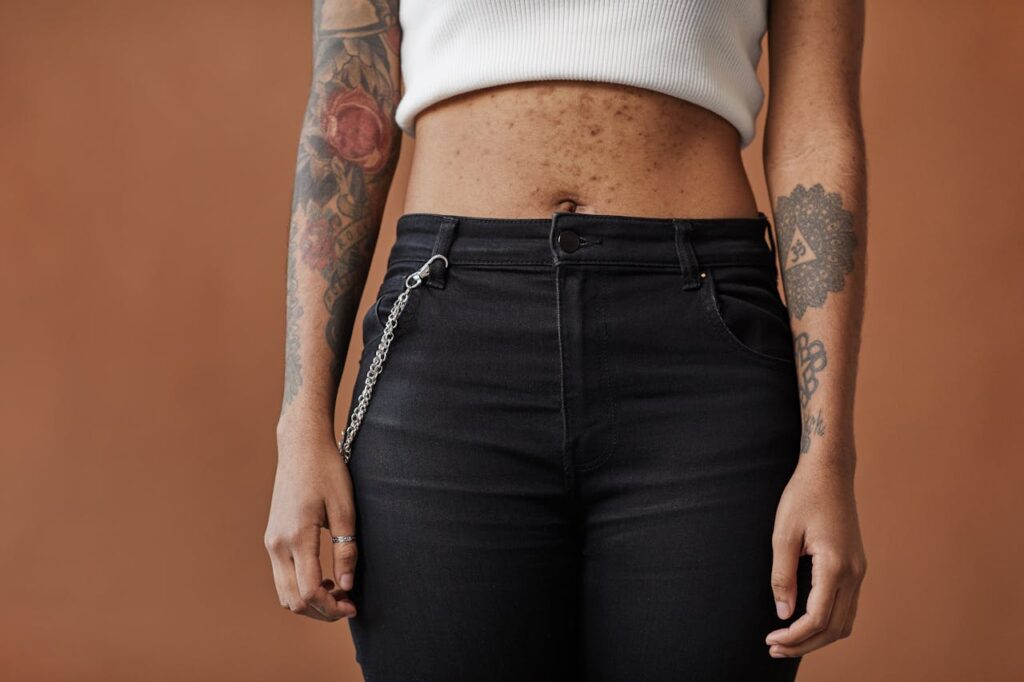
The rapidly increasing awareness and adoption of vegan and cruelty-free lifestyles have significantly impacted various industries, including tattooing. Today, many clients seek ethical and compassionate alternatives for their body art to align with their values and ensure that their personal expression does not contribute to animal suffering or the exploitation of natural resources. In our in-depth guide to vegan tattoos, Tirta Bali Tattoo & Studio covers the fundamental aspects of cruelty-free tattooing, from the ink used to the aftercare products and equipment sterilisation processes. By delving into the composition of vegan tattoo inks and exploring the benefits of plant-based alternatives, clients will gain a comprehensive understanding of how they can make informed choices regarding their body art and ensure their tattoos align with their ethical values. Our experienced team of Tirta Bali Tattoo & Studio artists works closely with clients who are seeking a vegan tattoo experience, offering expert advice and guiding them through the entire process. From the initial consultation and design creation to the application of ethical tattooing techniques and the recommendation of cruelty-free aftercare products, our clients can trust that their tattoo journey is both ethical and environmentally conscious, ensuring a meaningful and guilt-free body art experience. Understanding Vegan Tattoo Inks: Composition and Benefits Traditional tattoo inks may contain ingredients derived from animal sources, such as bone char for black pigment, insect-derived glycerine, or shellac sourced from beetles. Vegan tattoo inks, on the other hand, utilise plant-based or synthetic alternatives, completely eliminating animal-derived components. Apart from being cruelty-free, vegan inks also provide various benefits for clients with sensitive skin or allergies, as they tend to include fewer harmful substances and carry a lower risk of causing adverse reactions. When searching for vegan tattoo ink, clients should ensure that the brand is reputable and transparent about its ingredients, production methods, and commitment to ethical sourcing. By choosing vegan tattoo ink, clients can express their creativity and personal style on their skin while upholding their ethical beliefs and protecting the environment. Eco-Friendly Sterilisation and Equipment: Bringing Ethics to the Entire Process Apart from vegan inks, a truly vegan tattoo experience extends to the sterilisation and equipment used during the tattoo process. Commonly, products containing animal-derived glycerine are utilised to clean and sterilise tattoo equipment. To ensure your tattoo experience remains cruelty-free, opt for a tattoo studio that is committed to using vegan-friendly cleaning agents free from animal-derived substances. Additionally, certain tattoo studios employ disposable, single-use equipment made from biodegradable materials, significantly reducing their environmental impact. By selecting a studio committed to eco-friendly practices, clients can contribute to a more sustainable and compassionate tattooing industry. Cruelty-Free Aftercare: Ensuring a Compassionate Healing Process Aftercare is a crucial aspect of the tattoo journey, as it ensures that your new body art heals adequately and maintains its integrity. Regrettably, many traditional aftercare products, such as ointments and creams, may contain animal-derived ingredients or be tested on animals. Fortunately, a growing number of cruelty-free, vegan aftercare alternatives are becoming increasingly accessible, providing clients with compassionate options to care for their tattoos during the healing process. Seek out aftercare products that are explicitly labelled as vegan and cruelty-free, and check if the brand or product is endorsed by respected animal welfare organisations. Prioritising vegan-friendly aftercare ensures that your tattoo experience honours your ethical values from start to finish. Finding the Right Vegan Tattoo Studio: Questions to Ask and What to Look for Selecting a tattoo studio and artist committed to providing vegan and cruelty-free tattoo experiences is the foundation of ensuring your body art aligns with your values. Research studios in your area that explicitly advertise their vegan-friendly approach and consult with artists about their experience and knowledge in vegan tattooing. Some crucial questions to ask when searching for the right vegan tattoo studio include: 1. Do you exclusively use vegan tattoo ink, or can you source it upon request? 2. What cleaning and sterilisation methods do you employ, and are they in alignment with cruelty-free practices? 3. Do you provide vegan-friendly stencil papers and lubricants during the tattoo process? 4. Can you recommend vegan aftercare products to ensure a compassionate healing process? By addressing these questions and putting in the effort to research and communicate with potential tattoo studios, clients can be confident in their choice of a compassionate, ethical, and dedicated vegan tattoo artist. Creating a Meaningful Connection Between Body Art and Values Embracing vegan tattoos and ethical tattooing practices allows clients to forge a deep and meaningful connection between their body art and their values. Whether through sourcing vegan inks, employing cruelty-free equipment and sterilisation methods, or committing to a vegan aftercare routine, clients can enjoy a tattoo experience that reflects their love for animals and respect for the environment. Tirta Bali Tattoo & Studio is proud to support and guide clients seeking a vegan tattoo experience, offering expertise and understanding as they embark on an ethically aligned body art journey.Choose the ethical path for your body art journey and celebrate your values with a vegan tattoo at Tirta Bali Tattoo & Studio, the best Bali tattoo studio. Schedule a consultation with our compassionate artists today to start exploring the world of cruelty-free tattooing, and let us help you create a stunning and meaningful masterpiece on your skin. Contact us now and embrace a body art experience that truly reflects your beliefs, creativity, and journey in life.
Comprehensive Guide to Tattoo Removal: Benefits and Process
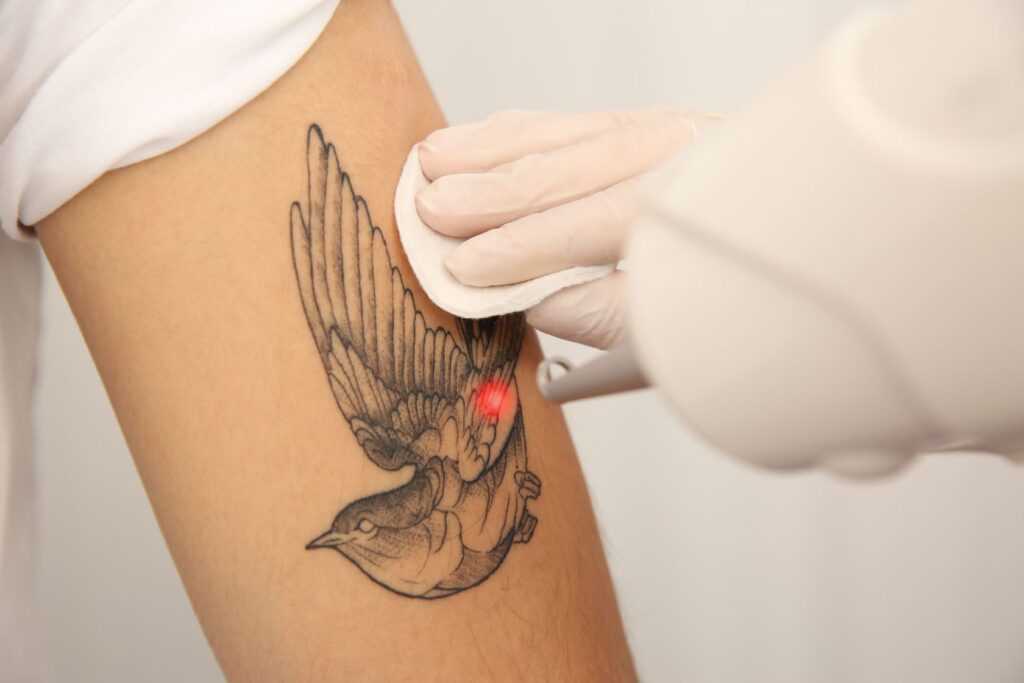
There may come a time when you decide that a tattoo no longer represents who you are, or perhaps the artwork has faded or distorted over time. In such cases, tattoo removal becomes a viable option. With advances in technology and the expertise of skilled professionals, the process has become more efficient and effective over the years. In this comprehensive guide, we will discuss the benefits of tattoo removal, the different techniques available, what to expect during the procedure, and the aftercare measures you should take for successful, safe, and comfortable tattoo removal. The decision to remove a tattoo can be a significant one, but it’s crucial to understand the benefits of this process. Firstly, tattoo removal can restore your confidence and self-esteem by eliminating a design that no longer represents your personal values or tastes. Secondly, it can address any changes in the tattoo itself, such as distorted lines or fading colours, caused by skin ageing or poor initial tattooing. Finally, tattoo removal can pave the way for new designs, giving you the freedom to update your ink as your preferences evolve over time. There are various methods of tattoo removal available, from non-invasive techniques like laser removal to surgical excision. The choice of method will depend on factors such as the size and location of the tattoo, the nature of the ink, your skin type, and your personal preferences. Our skilled professionals at Tirta Bali Tattoo & Studio will help you select the most suitable option based on your individual circumstances and ensure that the process is as safe and effective as possible. By learning about the benefits and process of tattoo removal and following expert guidance from our team at Tirta Bali Tattoo & Studio, you can confidently embark on the journey toward regaining control over your body art and expressing your true self. Exploring the Different Tattoo Removal Techniques When considering tattoo removal, it’s essential to be aware of the various methods available, each suited to different circumstances. The primary tattoo removal techniques in the industry today can be categorised into three main categories: laser-based, non-laser-based, and surgical. Understanding the advantages and drawbacks of each method can help you make an informed decision. 1. Laser-Based Tattoo Removal Laser-based removal is the most popular and effective method for tattoo removal. The technique uses laser beams to break up tattoo pigment, which the body’s immune system then eliminates. This method causes the least damage to the surrounding skin and provides the most satisfactory results in terms of fading or completely removing a tattoo. The Q-Switched laser and Picoway laser are currently the most advanced laser systems used for tattoo removal. 2. Non-Laser-Based Tattoo Removal Non-laser-based removal methods include chemical injections, dermabrasion, cryosurgery, and tattoo removal creams. These procedures use chemical solutions, abrasion, or freezing to break down ink pigments and remove them from the skin. Although these methods can be less expensive than laser treatment, they typically carry a higher risk of scarring, skin discolouration, and infection. 3. Surgical Tattoo Removal Surgical tattoo removal is an invasive procedure in which the tattooed skin is excised and the surrounding skin is either sutured together or replaced with a skin graft. This method is generally reserved for smaller tattoos or cases where laser treatment is not a viable option. It is important to note that surgical removal is more likely to leave visible scarring and has a longer recovery period compared to other methods. Preparing for Your Tattoo Removal Before beginning the tattoo removal process, it is crucial to prepare adequately, both mentally and physically. The following tips can help you get ready for treatment: 1. Consultation Schedule a consultation with a professional tattoo removal specialist, like the experts at Tirta Bali Tattoo & Studio, to discuss your expectations, concerns, and individual circumstances. Your specialist will help you determine the most appropriate removal method and provide an estimate of the number of sessions required, the expected recovery time, and the total cost. 2. Research Educate yourself on the tattoo removal process by researching the different techniques available and learning about the potential side effects and risks. The more information you have, the better prepared you will be to make informed decisions during your consultation and throughout the removal process. 3. Pre-Treatment Care Your specialist may advise you to stop certain medications or avoid particular activities in the weeks leading up to your removal appointment. This may include quitting smoking, avoiding sun exposure, and pausing the use of any skin products that could interfere with the healing process. Understanding the Tattoo Removal Process Each tattoo removal method entails a unique process, but there are common elements to expect during your treatment. You will likely experience some discomfort during the procedure, but your specialist will take measures to minimise pain, such as applying a numbing cream or using a cooling device. Depending on the technique, the treatment session may last anywhere from a few minutes to an hour. Post-removal, you may notice redness, swelling, or minor bleeding in the treated area, which typically subsides within a few days. It’s crucial to follow your specialist’s aftercare instructions to mitigate any side effects and ensure optimal healing. Tattoo Removal Aftercare: A Comprehensive Guide Proper aftercare following tattoo removal is essential for successful recovery and to minimise the risk of complications. Here’s a guide to help you care for the treated area: 1. Keep the Area Clean and Dry Gently cleanse the treated area with mild soap and water, then pat dry with a clean towel. Avoid scrubbing or using harsh cleansers, as this may irritate the skin and hinder the healing process. 2. Apply an Antibacterial Ointment Your specialist may recommend applying an antibacterial ointment to the treated area to prevent infection. Follow their guidance on when and how often to apply the ointment. 3. Avoid Sun Exposure Keep the treated area covered and avoid direct sunlight, as UV rays can slow the healing process and cause skin discolouration. 4. Stay Hydrated and


