Tattoo Aftercare Essentials: A Comprehensive Guide
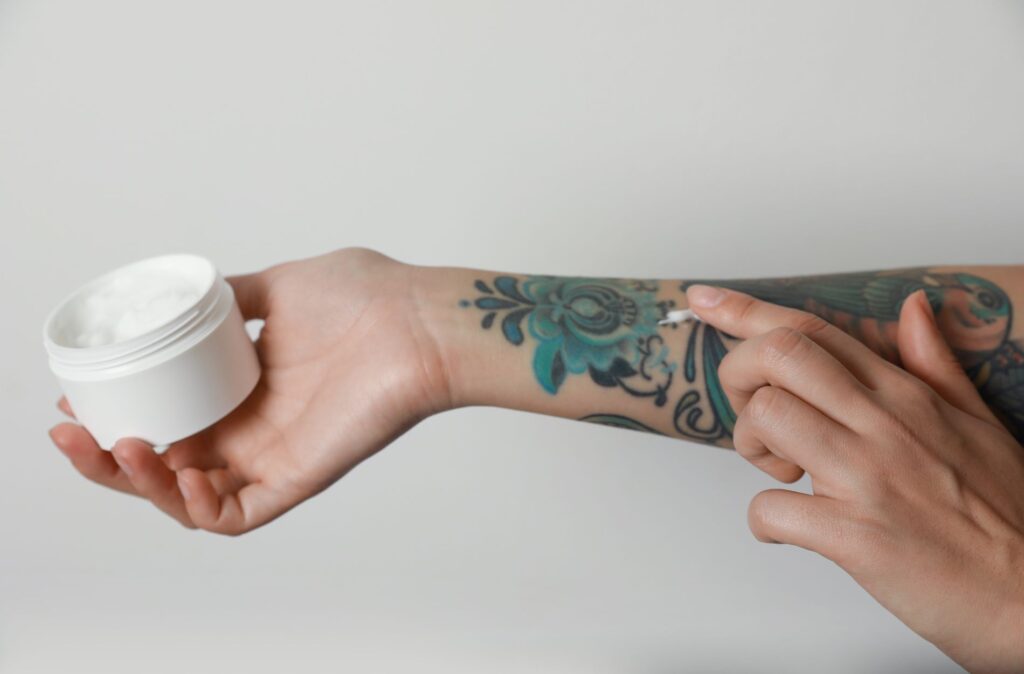
A well-executed tattoo is an exquisite form of art and personal expression that lasts a lifetime. However, the process doesn’t end once you leave the studio – proper aftercare and maintenance are just as crucial for ensuring the longevity and enduring beauty of your tattoo. With expert guidance and informed practices, you can protect your investment and preserve the vibrant appearance of your new ink for years to come. At Tirta Bali Tattoo & Studio, our exceptional artists strive to provide clients with not only Bali’s finest tattoo designs but also invaluable advice on aftercare essentials and best practices. In this comprehensive guide, we will unveil essential tips on maintaining your new tattoo’s appearance, promoting healing, and preventing complications. From immediate aftercare steps to long-term maintenance strategies, this in-depth guide offers everything you need to know to keep your tattoo looking its best throughout life’s journey. The initial healing phase is of paramount importance and requires vigilant care. We will discuss the crucial first steps, including safely removing the initial bandage, cleaning the tattoo, and battling the urge to scratch or pick at the site. Familiarising yourself with these essential practices establishes a solid foundation for the healing process and paves the way for optimal results. Effective long-term tattoo maintenance entails more than just diligent cleaning – it also requires knowledge of potential risks, such as sun exposure, fading, and colour changes. In this guide, we will explore expert advice on averting these threats and preserving your tattoo’s vibrancy and clarity. Allow Tirta Bali Tattoo & Studio’s team of skilled artists to support you in your tattoo journey, sharing their wealth of knowledge and experience to help you preserve and celebrate the artistry of your tattoo. Embrace your new tattoo with confidence and maintain its beauty through the expert advice and support from Tirta Bali Tattoo & Studio. Contact us today to schedule a consultation, discuss your tattoo vision, and embark upon a journey of lifelong satisfaction in your ink. Immediate Aftercare – First Steps The initial phase of the healing process is crucial, and following these first steps will ensure a strong foundation for your tattoo’s longevity and appearance: Avoiding the Itch – Healing and Care As your tattoo heals, keeping the itch at bay and promoting a healthy recovery are essential: Long-Term Tattoo Maintenance To preserve your tattoo’s vibrancy and clarity, implement our expert long-term maintenance advice: Expert Tips for Preventing Complications Being aware of potential risks and complications can help you maintain your tattoo’s beauty and your wellbeing: Conclusion Tattooing is a lifelong commitment, and effective aftercare is crucial for maintaining the health, vibrancy, and clarity of your ink. By understanding and implementing proper first steps, ongoing maintenance techniques, and expert tips for preventing complications, you can ensure your tattoo remains a captivating and enduring depiction of self-expression. Elevate your tattoo experience with Tirta Bali Tattoo & Studio, your premier Bali tattoo studio. Our expert artists provide unparalleled guidance and support throughout your entire tattoo journey – from design inspiration to aftercare advice. Trust us to bring your vision to life with our artistic mastery and attention to detail. Contact us today to schedule a consultation and discover why Tirta Bali Tattoo & Studio is the trusted name for exceptional tattoo artistry in Bali.
The Importance of Choosing the Right Tattoo Inks for Your Skin
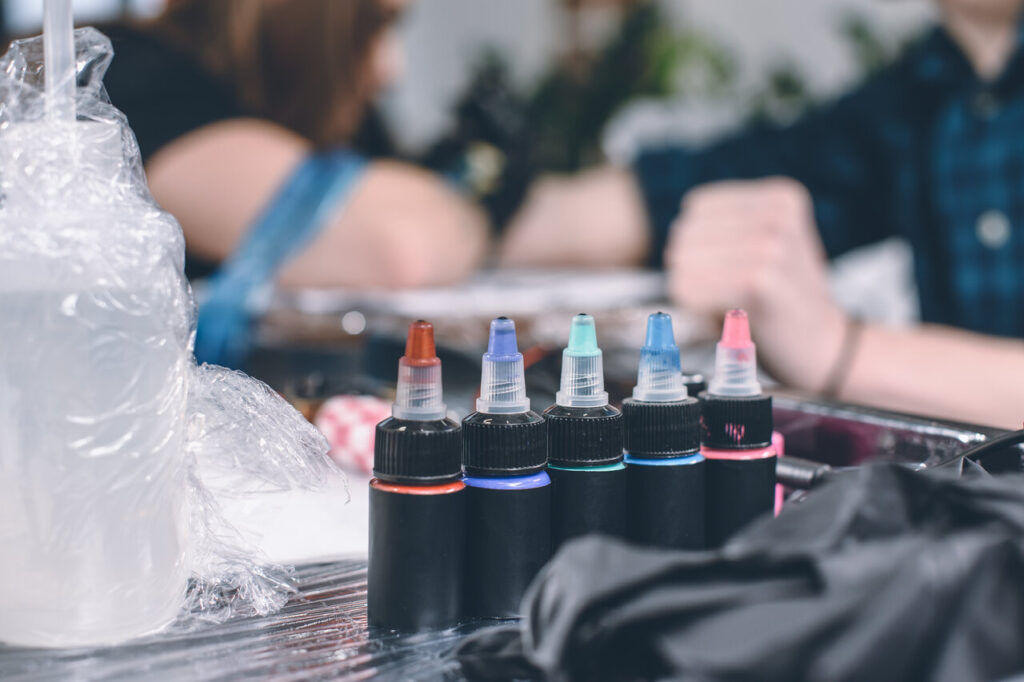
Tattoos have become an increasingly popular form of self-expression and artistry today. With the rise in demand for tattoos, there is a growing need to understand the various aspects of the tattooing process—including the choice of tattoo ink. For the best results, choosing the right tattoo ink for your skin type and tone is imperative, as it can significantly impact the tattoo’s appearance and longevity. In this educational piece, we will delve into the importance of selecting suitable tattoo inks and the options available, ensuring you make an informed decision during your next tattoo appointment at our renowned Tirta Bali Tattoo & Studio studio. The quality of tattoo ink is essential in determining the final outcome of your tattoo. Low-quality inks can lead to various issues, such as inconsistent pigmentation or fading over time, which can negatively impact the tattoo’s overall appearance. Reputable Bali tattoo studios like ours understand the importance of using high-quality inks to ensure satisfaction and maintain our reputation as Bali’s finest tattoo artists. Compatibility with your skin tone is another crucial aspect of choosing the right tattoo ink. As the ink is deposited into the skin’s dermis layer, it ultimately blends with the natural pigmentation of your skin. As a result, certain ink colours may appear differently on different skin tones. Therefore, it’s essential to consider the ink colours that will best complement your skin and effectively showcase your desired tattoo design. Aside from colour considerations, addressing potential allergies or sensitivities to certain ink types is important. Many people may experience allergic reactions or skin irritations after getting a tattoo. This problem can be avoided by selecting appropriate inks and discussing any concerns with a professional tattoo artist. This article will explore the various types of tattoo inks (like organic, inorganic, and vegan options), their properties, and their compatibility with various skin tones. We will also discuss ways to avoid potential allergies and guide you through the selection process to ensure the best results. Understanding the Different Types of Tattoo Inks When considering a tattoo, knowing the various types of inks available and their unique characteristics is essential. Generally, tattoo inks can be classified into three main categories: organic, inorganic, and vegan. Each type has its advantages and drawbacks. 1. Organic Inks Organic tattoo inks are derived from natural sources such as plant material, fruits, and vegetables. Some popular organic pigments include logwood (for black), turmeric (for yellow), and henna (for brown). These inks are less irritating to the skin and are highly regarded for their vibrant and long-lasting colours. However, organic inks may sometimes cause allergic reactions, so discussing any potential concerns with your tattoo artist beforehand is essential. 2. Inorganic Inks Inorganic tattoo inks are primarily comprised of synthetic or mineral-based pigments. Common inorganic pigments include cadmium (for yellow and red), iron oxides (for browns and reds), and titanium dioxide (for white). Although highly pigmented and resistant to fading, inorganic inks have been linked to increased skin irritation and may not be suitable for individuals with sensitive skin or known allergies. 3. Vegan Inks Vegan inks are a popular alternative for those who wish to avoid animal-derived ingredients in their tattoos. These inks are typically plant-based and do not contain any animal byproducts, such as bone char or animal glycerin. Vegan inks offer the same high-quality, vibrant colours as other ink types while catering to the ethical concerns of many tattoo enthusiasts. Choosing the Right Colours for Your Skin Tone Different ink colours interact differently with various skin tones, making it crucial to choose colours that best suit your natural skin pigmentation. Here are some guidelines to help you select the right ink colours based on skin tone: 1. Fair Skin Tones It’s generally best to avoid lighter shades for fair-skinned individuals, as they tend to become washed out against the skin. Instead, opt for darker, more saturated colours, such as deep blues, greens, or reds, creating a striking contrast against your light complexion. 2. Medium Skin Tones Those with medium skin tones can choose from a wide range of colours. Warm shades, like rich reds, oranges, and yellows, are particularly complimentary, as they harmonise well with the warm undertones of this skin type. Additionally, dark blue and purple hues can add depth and interest to a tattoo design. 3. Dark Skin Tones For those with dark skin tones, bright and bold colours may not be as visible. However, this skin type benefits from the high contrast darker shades create. Deep blues, greens, and purples—as well as classic black—provide a striking visual impact against darker skin. 4. Understanding Your Undertones In addition to your skin’s surface tone, it’s important to consider your undertone (the colours that lie beneath the surface of your skin) when selecting tattoo ink. The three basic undertones are warm (yellow or gold), cool (pink or blue), and neutral (a combination of warm and cool tones). To determine your undertone, examine the veins inside your wrist. If they appear blue, you likely have a cool undertone; if they appear green, you have a warm undertone. If the colour is indistinguishable, you likely have a neutral undertone. Selecting ink colours that complement your undertone can further enhance the final appearance of your tattoo. Identifying Potential Allergies and Sensitivities Discuss any known allergies or concerns with your tattoo artist before getting inked to avoid potential allergies and skin sensitivities. A professional tattoo artist can guide you in selecting inks that are hypoallergenic or more suitable for sensitive skin. Furthermore, they may also be able to perform a patch test, which involves applying a small amount of ink to the skin to check for any adverse reactions. Ensuring Proper Aftercare for Long-lasting Results Finally, proper aftercare is essential for maintaining the vibrancy and longevity of your tattoo. Following your artist’s aftercare recommendations—typically involving regular cleaning, moisturising, and avoiding excessive sun exposure—can ensure your tattoo remains fresh and vibrant for years. Conclusion Selecting the right tattoo ink for your skin type and tone is
The Comprehensive Guide to Body Piercings: Types, Care, and Expert Advice

Body piercings have long been a popular form of self-expression, offering an array of options for individuals to showcase their unique style and personality. As a renowned Bali tattoo studio, Tirta Bali Tattoo & Studio not only houses some of Bali’s finest tattoo artists but also provides exceptional piercing services, ensuring our clients receive high-quality, safe, and aesthetically stunning body piercings. Understanding the various types of body piercings available, as well as proper aftercare and maintenance, ensures that you are well-informed and able to make the best decisions for your unique preferences and lifestyle. In this guide, we will delve into the fascinating world of body piercings, providing you with an overview of various piercing types, essential information on care and maintenance, and expert advice from our experienced team at Tirta Bali Tattoo & Studio. We will explore popular piercing locations, such as ear, nose, lip, and navel piercings, as well as more adventurous options like dermal, surface, and intimate piercings. In addition to discussing the benefits and challenges of each type, we will also provide practical recommendations on selecting reputable professionals, jewellery considerations, and the iconic aesthetic associated with specific piercing styles. Understanding proper aftercare and maintenance is vital for ensuring the longevity and safety of your body piercing. This guide will provide you with clear and concise aftercare instructions, including cleaning tips, signs of infection, and guidance on when to consult with a professional. We will also discuss the importance of quality jewellery and materials and offer advice on selecting the best options for your specific piercing and individual preferences. At Tirta Bali Tattoo & Studio, our mission is to support and guide you through every stage of your piercing journey. We provide expert knowledge and personalised advice tailored to your unique needs and desires. Allow our dedicated team to provide you with the ultimate body piercing experience, combining safety, expertise, and stunning aesthetics. Begin your body piercing journey with confidence and expert support, courtesy of the skilled professionals at Tirta Bali Tattoo & Studio. Contact us today to schedule a consultation and discuss the perfect piercing options for your unique style and vision. An Overview of Popular Piercing Types Body piercings offer a wide range of options to suit various preferences and styles. In this section, we discuss popular piercing locations, as well as more adventurous options for those seeking bold self-expression. 1. Ear Piercings: A classic and highly versatile option, ear piercings encompass numerous variations, such as lobe, cartilage, tragus, and daith piercings. Each offers a distinct aesthetic, allowing individuals to curate a unique combination that speaks to their personal style. 2. Nose Piercings: Gaining increasing popularity, nose piercings include the classic nostril piercing, as well as septum and high nostril variations. Each style imparts a distinct visual appeal and can be adorned with various jewellery options. 3. Lip and Oral Piercings: Ranging from subtle to statement-making, lip and oral piercings offer an array of possibilities, including labrets, vertical labrets, Medusa, Monroe, and snake bites. Additionally, oral piercings like tongue and smiley piercings provide a truly distinctive look. 4. Navel Piercings: A long-standing favourite, navel piercings remain a popular choice for those seeking a visually captivating and alluring body enhancement. 5. Dermal and Surface Piercings: Breaking from tradition, dermal and surface piercings enable the placement of jewellery virtually anywhere on the body, limited only by one’s imagination and anatomy. 6. Intimate Piercings: For those seeking a truly adventurous and personal form of self-expression, intimate piercings offer an array of options, including nipple, Prince Albert, and Christina piercings, among others. Essential Aftercare and Maintenance Proper aftercare and maintenance are vital for ensuring the longevity and safety of your body piercing. Follow these essential steps to care for your new piercing: 1. Cleaning: Keep the piercing clean and free of bacteria by using a saline solution or a specially formulated piercing aftercare solution. Gently apply the solution to the pierced area using clean cotton swabs or gauze pads, taking care not to disrupt or irritate the jewellery. 2. Avoiding Infection: Refrain from touching the piercing with dirty hands, and avoid exposing the area to potential contaminants, such as swimming in public pools or using shared towels. Resist the urge to twist or rotate the jewellery, as this can introduce bacteria and prolong the healing process. 3. Identifying Signs of Infection: Monitor the piercing for signs of infection, which may include excessive swelling, redness, heat, or discharge. If any of these symptoms persist or worsen, consult with a professional piercer or healthcare provider for advice. 4. The Healing Process: Allow the piercing sufficient time to heal, during which it is vital to adhere to aftercare instructions and avoid unnecessary irritation. Healing times will vary depending on the specific type of piercing, with some requiring several weeks, and others, such as cartilage piercings, taking several months. Jewellery Considerations and Material Importance Choosing quality jewellery and materials is crucial for the safety and aesthetics of your body piercing: 1. Material Quality: Opt for jewellery made from materials like surgical-grade stainless steel, titanium, or niobium, which offer biocompatibility and a reduced risk of allergic reactions. 2. Jewellery Size and Style: Work with your professional piercer to select the appropriate size and style of jewellery for your piercing, which will depend on factors such as your anatomy and personal preferences. 3. Changing Jewellery: Once your piercing has fully healed, you may wish to change your jewellery to suit different occasions or aesthetics. Consult with your piercer for assistance and guidance on selecting and changing your jewellery safely. Expert Advice from Tirta Bali Tattoo & Studio Seeking professional advice during your piercing journey is essential for achieving the best possible results and ensuring your safety and comfort. At Tirta Bali Tattoo & Studio, our skilled team is dedicated to providing personalised guidance and support, helping you to select the perfect piercing and jewellery options for your unique style and vision. Conclusion A body piercing is a fantastic way to express your individuality and
The Significance of Tattoo Placement: Factors to Consider Before Committing to Your Tattoo Location
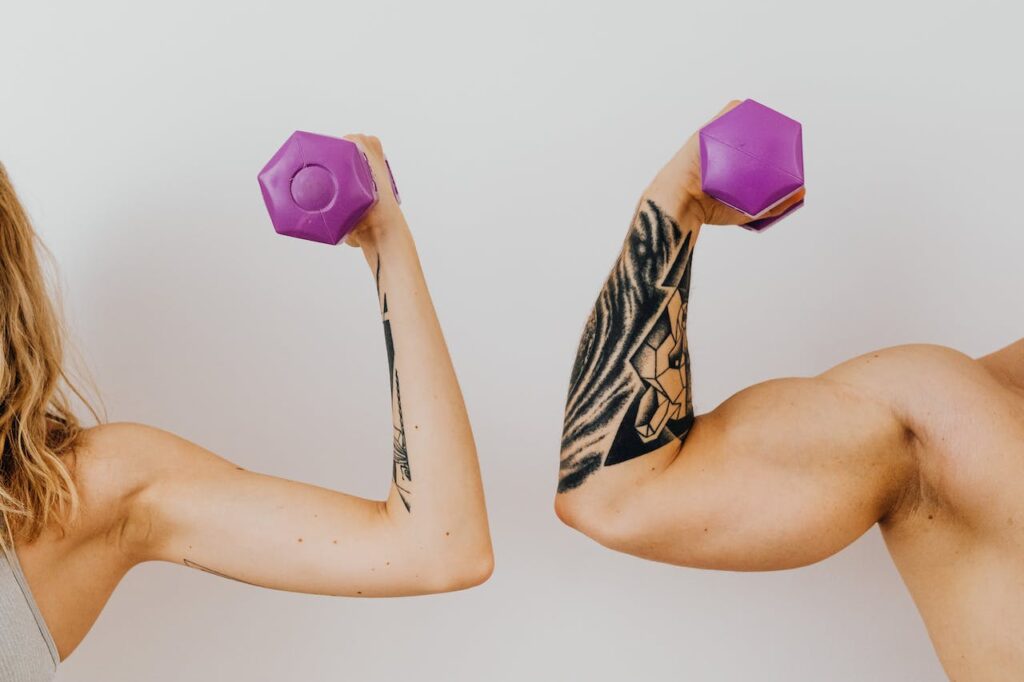
Planning and executing the perfect tattoo involves not only selecting a meaningful design and style but also giving careful thought to your tattoo’s placement on your body. The chosen location may impact the tattoo’s longevity, healing process, and overall appearance. It may also influence how others perceive the tattoo and how it assembles with any future tattoos you may consider getting. With this in mind, understanding the significance of tattoo placement and carefully weighing the various factors involved is crucial in achieving a result that meets your expectations and brings your tattoo vision to life. At Tirta Bali Tattoo & Studio, we support and advise our clients as they traverse the multifaceted process of tattoo planning, helping them to make informed decisions about each aspect of their tattoo journey, including the vital consideration of tattoo placement. In this informative guide, we delve into the importance of tattoo placement, discussing various factors to contemplate before committing to a tattoo location. These considerations may include the pain levels associated with different areas of the body, the potential impact of the tattoo on your professional image, and the importance of factoring in your unique body shape and contours. Additionally, our guide will touch upon more practical aspects, such as the longevity and visibility of tattoos in specific areas and any potential future plans for additional tattoos that may affect your choice of placement. Pain Levels: Understanding How Different Areas May Affect Your Experience One important factor to consider when choosing your tattoo’s placement is the potential pain level associated with different areas of the body. Generally, areas with thinner skin or closer proximity to bones and nerves, such as the ribs, feet, and hands, may result in a more painful tattooing experience. Conversely, fleshier areas like the arms, thighs, and buttocks may cause less discomfort due to the increased cushioning and distance from sensitive nerve-rich zones. Knowing your pain threshold and how it may influence your tattoo choice is crucial in ensuring a more comfortable and enjoyable tattoo experience. Professional Image: Balancing Personal Expression with Career Considerations When planning your tattoo placement, it is also essential to factor in the potential impact of your tattoo on your professional image. While tattoos are becoming increasingly accepted in society, some industries and workplaces may still maintain conservative attitudes regarding visible tattoos. Carefully consider the norms within your chosen career field and determine whether a discreet tattoo placement—easily concealed by clothing—might be the more appropriate choice for you. Striking a balance between personal expression and professional image will ensure your tattoo complements every aspect of your life. Body Shape and Contours: Enhancing Your Unique Physique Your unique body shape and contours play a significant role in determining the optimal placement of your tattoo. Taking time to consider which areas of your body would visually benefit from the addition of artwork is paramount to creating a cohesive and aesthetically pleasing result. Your tattoo artist should also provide valuable insights and recommendations on how to adapt and position your design to fit the particular nuances of your body. Ensuring your tattoo harmoniously enhances your natural physique will ultimately contribute to a more satisfying and complimentary outcome. Longevity and Visibility: Protecting Your Investment over Time Choosing a tattoo placement that will age well and exhibit minimal distortion is crucial for those seeking lasting satisfaction with their tattoo. Areas of the body that experience frequent sun exposure, such as the shoulders and lower arms, may be more prone to fading over time. Similarly, areas that undergo significant stretching or fluctuation in size, like the abdomen and chest, may result in distortion and loss of detail. Consulting with your tattoo artist about the most suitable placement to maintain the integrity of your tattoo design is essential to ensure your investment remains visually appealing over the years. Coordinating Multiple Tattoos: Planning Your Body Art Journey As you map out the placement of your upcoming tattoo, consider whether you envision adding more tattoos. Intending a cohesive body art collection can influence the placement of individual tattoos. Selecting a location that allows for future artwork to be added seamlessly while maintaining balance and flow is crucial to ensuring your tattoos function harmoniously together. Trusting your tattoo artist’s guidance in this area will ultimately lead to an aesthetically pleasing body art collection. Informed Decisions for a Satisfying Tattoo Outcome Considering the various factors and choices that impact tattoo placement is critical in achieving a satisfying and long-lasting result. This involves assessing the potential pain levels during the tattoo process, considering your professional image, understanding your unique body shape and contours, acknowledging the longevity and visibility concerns of specific locations, and considering your future body art journey. By engaging with Tirta Bali Tattoo & Studio’s team of experienced tattoo artists and utilising their invaluable guidance, you can make informed choices regarding the perfect placement for your tattoo, resulting in a body art masterpiece that complements every facet of your life. Trust the expertise of Tirta Bali Tattoo & Studio’s professional artists as you embark on the journey to the perfect tattoo placement. Schedule your consultation today, and progress confidently towards creating an unforgettable, distinctive, and personally meaningful tattoo in Bali. Reach out now and take the first steps towards a transformative and empowering body art experience.
Mastering Tattoo Aftercare: A Step-by-Step Guide for Beginners
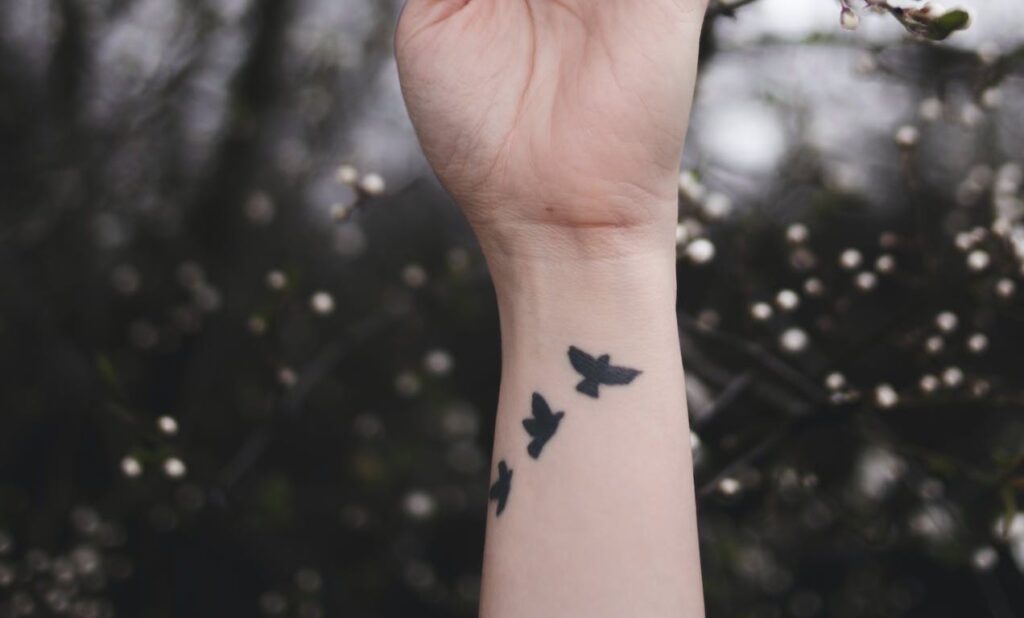
Embarking on your tattoo journey is an exciting and transformative experience, culminating in a unique piece of body art that reflects your individuality and personal story. However, the success and longevity of your tattoo depend not only on the artist’s skill but also on the care and attention given during the healing process. Proper tattoo aftercare is vital for a healthy, vibrant, and long-lasting result, and understanding the essential steps, techniques, and products can significantly enhance the outcome of your tattoo experience. In this beginner’s guide to tattoo aftercare, we’ll provide a comprehensive and detailed overview of the crucial aspects of post-tattoo care, demystifying the process for first-time tattoo recipients and offering valuable insights for seasoned collectors. We will cover essential topics such as cleaning and moisturising techniques, choosing the right aftercare products, avoiding potential complications, tips for a comfortable and successful healing process, and even guidance on preserving the longevity and vibrancy of your tattoo over time. Whether you are preparing for your very first tattoo appointment or looking to expand your existing body art collection, understanding the principles and best practices of tattoo aftercare is crucial for protecting the integrity and vibrancy of your new ink. So, keep reading and gain confidence in caring for your new tattoo responsibly and effectively, ensuring a healthy and beautiful outcome you’ll cherish for years. Initial Care: The First 24 Hours The first 24 hours following your tattoo are crucial for establishing a successful healing process. Your tattoo is essentially an open wound during this period, making it susceptible to infection and other complications if not properly cared for. Follow these steps to promote a healthy start for your new tattoo: 1. Keep the Covering On: Your tattoo artist will typically apply a protective covering, such as cling film or a breathable bandage, immediately after completing your tattoo. Keep this covering on for the first 2-4 hours, as directed by your tattoo artist, to protect your new tattoo from dirt and bacteria. 2. Gently Clean the Tattoo: Use lukewarm water and mild, fragrance-free soap to gently clean the area after removing the covering. Avoid using rough cloths or sponges that might irritate your skin; instead, use your fingertips to carefully remove any residual ink, blood, or ointment. 3. Pat Dry: Gently pat the tattoo dry with a clean cotton towel or disposable paper towel. Avoid rubbing or using any material that might leave lint on your tattoo. 4. Let it Breathe: After cleaning, allow your tattoo to air dry for 10-20 minutes, ensuring that the area is adequately exposed to oxygen, which aids in the healing process. Ongoing Care: The First 2 Weeks For the first two weeks following your tattoo, diligent care and attention are necessary to ensure optimal healing and protect your ink’s vibrancy and longevity. 1. Apply a Gentle Moisturiser: Choose a fragrance-free, gentle moisturising lotion or ointment specifically designed for tattoo aftercare. Apply a thin layer of moisturiser to your tattoo 2-3 times a day or whenever the area feels dry and tight. Over-moisturising can lead to complications, so apply sparingly and rub in gently until completely absorbed. 2. Avoid High-Pressure Water: High-pressure showers, baths, swimming pools, and hot tubs can introduce contaminants that might harm your healing tattoo. Stick to gentle showers during the first 2-3 weeks, and avoid any prolonged submersion or direct pressure on the tattooed area. 3. Minimise Sun Exposure: Direct sunlight can damage your tattoo’s healing process and vibrancy. Limit sun exposure by covering your tattoo with loose, breathable clothing for the first 2-3 weeks. After the tattoo has fully healed, apply a sunblock with SPF 30 or higher to protect your ink from fading. 4. Do Not Pick or Scratch: As your tattoo heals, itching and flaking are expected. Resist the urge to scratch, rub, or pick at the tattoo, as doing so can cause irregularities and uneven colour in your healed tattoo. Healing Process: What to Expect While the healing process will vary from person to person, here are some typical stages that you can expect during your tattoo healing journey: 1. Inflammation and Redness: It is normal for your tattoo to appear red, slightly swollen, and warm to the touch in the first few days. Gradually, these symptoms will subside as the healing process progresses. 2. Peeling and Flaking: Between days 3 and 7, your tattoo may begin to peel and flake. This is a natural part of the healing process, as your body sheds the outer layer of damaged skin. Continue to care for your tattoo according to the guidelines provided, and refrain from picking or peeling the skin. 3. The Final Stage: At around the two-week mark, your tattoo should enter its final stage of healing. The peeling should have subsided, and the tattoo should appear mostly healed. Continue to moisturise and monitor your tattoo, as full healing may take up to a month. Preserving the Longevity and Vibrancy of Your Tattoo Once your tattoo is fully healed, maintain its vibrancy by adopting the following long-term care habits: 1. Sun Protection: Apply sunblock with an SPF of 30 or higher whenever your tattoo is exposed to the sun. This will prevent fading and protect your skin from the damaging effects of UV radiation. 2. Maintain Healthy Skin: Keeping your skin moisturised and nourished ensures that your tattoo remains vibrant and detailed for years to come. Use fragrance-free lotions and avoid abrasive skin products that may damage your tattoo. Conclusion By understanding the vital steps and strategies for proper tattoo aftercare, you can confidently embark on your tattoo journey and achieve the healthy, vibrant, and long-lasting results you desire. Following the best practices for both immediate care and ongoing maintenance will ensure a successful healing process and preserve the vibrancy and longevity of your unique body art. Whether you are a first-time tattoo recipient or a seasoned collector, the commitment to proper aftercare is a testament to the care and respect for your tattoo journey, ensuring a beautiful
A Guide to Tattoo Aftercare Products: Choosing the Right Ones for Your Skin
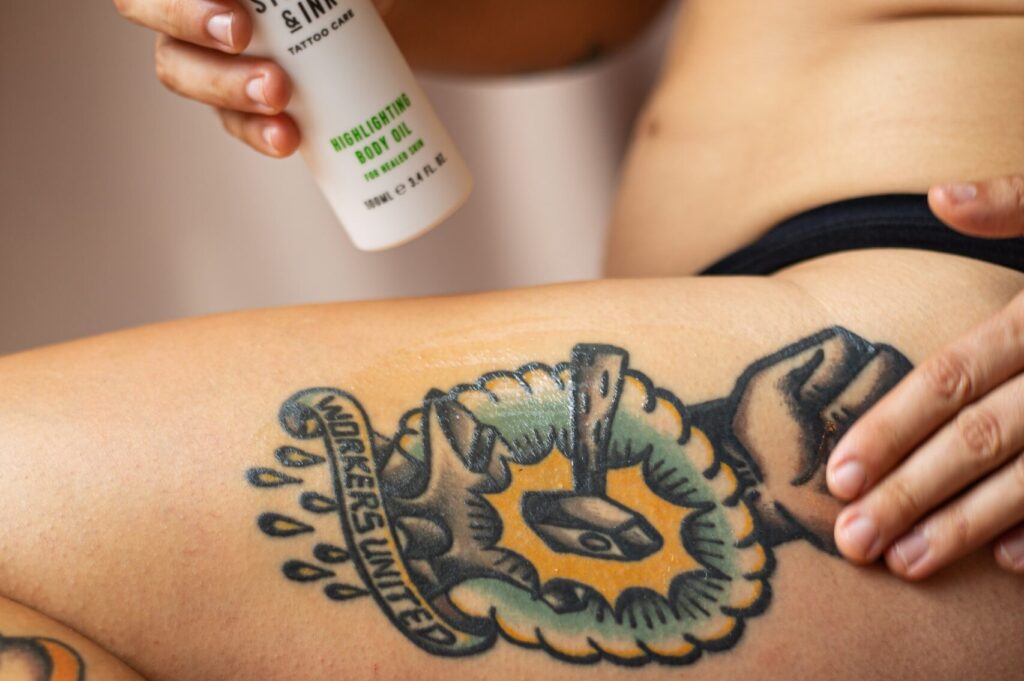
Tattoos are not only a beautiful and meaningful form of self-expression but also require commitment and care to ensure their long-lasting presence on your skin. With your new tattoo, you have made an investment in yourself, and the key to protecting that investment is to prioritise proper aftercare. One crucial element of tattoo aftercare is selecting the right products to cleanse, moisturise, and protect your skin during the healing process. With a plethora of aftercare products available in the market today, it can be overwhelming to decide which ones are the most suitable for your skin type and the specific needs of your tattoo. In this guide, we aim to educate and inform our readers about the various tattoo aftercare products available, their benefits, and how they can ensure a healthy and vibrant tattoo. By understanding the roles and ingredients of these aftercare products, you can make confident and informed decisions when choosing the perfect ones tailored to your skin and tattoo requirements. From fragrance-free soaps and tattoo-specific ointments to sunscreens and natural alternatives, we will delve into the world of aftercare products while offering practical tips to help you find the ideal match for your skin. Cleansing Products: Keeping Your Tattoo Clean and Hygienic Proper cleansing is imperative during the tattoo healing process to prevent infection and promote faster healing. Selecting gentle yet effective cleansing products is vital to maintaining your tattoo’s appearance while ensuring a safe and hygienic environment for your skin. 1. Fragrance-free Soap: Opt for a mild and fragrance-free soap to clean your tattoo, avoiding harsh chemicals that may cause irritation. Gently cleanse the tattooed area, rinsing with lukewarm water to remove any bacteria or debris. 2. Antibacterial Soap: Some tattoo artists may recommend using a mild antibacterial soap to further reduce the risk of infection during the healing process. Be sure to follow the advice of your tattoo artist when deciding on the most appropriate soap for your tattoo. 3. Tattoo Aftercare Cleanser: Alternatively, several tattoo-specific cleansers exist in the market, formulated to cater to the unique needs of healing tattoos. These products may contain antimicrobial ingredients to provide extra protection against infection while offering soothing and hydrating properties. Moisturising Products: Protecting and Nourishing Your Tattoo Moisturising plays a central role in tattoo aftercare, ensuring that your skin remains hydrated and nourished to support healing and prevent flaking or peeling. 1. Tattoo Aftercare Ointments: Many brands offer specialised tattoo aftercare ointments designed to provide targeted protection and care for your tattoo. These ointments often contain healing ingredients such as vitamins A and D and may offer antimicrobial properties to promote a safe healing environment for your skin. Be sure to apply sparingly to avoid suffocating the tattoo and prolonging the healing process. 2. Fragrance-free Lotion: As an alternative to ointments, a fragrance-free and hypoallergenic lotion can provide essential hydration to your tattooed skin, preventing scabbing and flaking. Avoid using petroleum-based or heavily scented lotions, as these may cause clogged pores or irritation. 3. Natural Alternatives: For those who prefer natural aftercare products, organic alternatives like coconut oil or shea butter may offer a soothing and hydrating option for moisturising your tattoo. Be sure to test for any allergic reactions before applying to the tattooed area. Sun Protection: Shielding Your Tattoo from Sun Damage Even after the healing process, protecting your tattoo from the sun’s harmful rays is crucial in preserving its vibrancy and preventing premature fading. 1. Broad-spectrum Sunscreen: Choose a broad-spectrum sunscreen with a high SPF to shield your tattoo from harmful UVA and UVB rays. Apply sunscreen to the tattooed area at least fifteen minutes before sun exposure, reapplying as needed to ensure consistent protection. 2. Tattoo-specific Sunscreen: Some brands offer tattoo-specific sunscreens designed to provide targeted protection for your body art. These products usually contain a high SPF, moisturising properties, and sometimes added antioxidants to support the health and longevity of your tattoo. 3. Protective Clothing: In addition to sunscreen, consider wearing protective clothing or accessories to provide extra coverage and shield your tattoo from direct sunlight, particularly in the early stages of the healing process. Choosing the Right Aftercare Products: Factors to Consider With an abundance of aftercare products available, it’s essential to consider several factors when selecting the most suitable products for your tattoo and skin type. 1. Consult Your Tattoo Artist: Your tattoo artist is an invaluable resource for aftercare advice. Following their recommendations ensures that you take the best possible care of your tattoo during the healing process. 2. Evaluate Your Skin Type: Consider your skin type and any allergies or sensitivities when selecting aftercare products. Opt for fragrance-free and hypoallergenic options if you have sensitive or allergy-prone skin to minimise the risk of irritation. 3. Research and Read Reviews: Research different brands and read reviews from other tattoo owners to gain a better understanding of the products’ effectiveness and suitability for your needs. Conclusion Choosing the right tattoo aftercare products is a crucial aspect of responsible body art ownership. By understanding the range of cleansing, moisturising, and sun protection products available and their unique benefits, you can make well-informed decisions to keep your tattoo vibrant, healthy, and beautiful for years to come. Remember to consult with your tattoo artist, consider your skin type, and conduct thorough research to find the most suitable aftercare products tailored to your specific needs. Ready to embark on your tattoo journey with expert aftercare guidance? Book a consultation with the skilled and knowledgeable team at Tirta Bali Tattoo & Studio Studio today. We’ll support you every step of the way, from design to healing, to ensure a rewarding and unforgettable tattoo experience. Visit our tattoo studio now!
Exploring Tattoo Styles: Find Your Perfect Design at Tirta Bali Tattoo & Studio
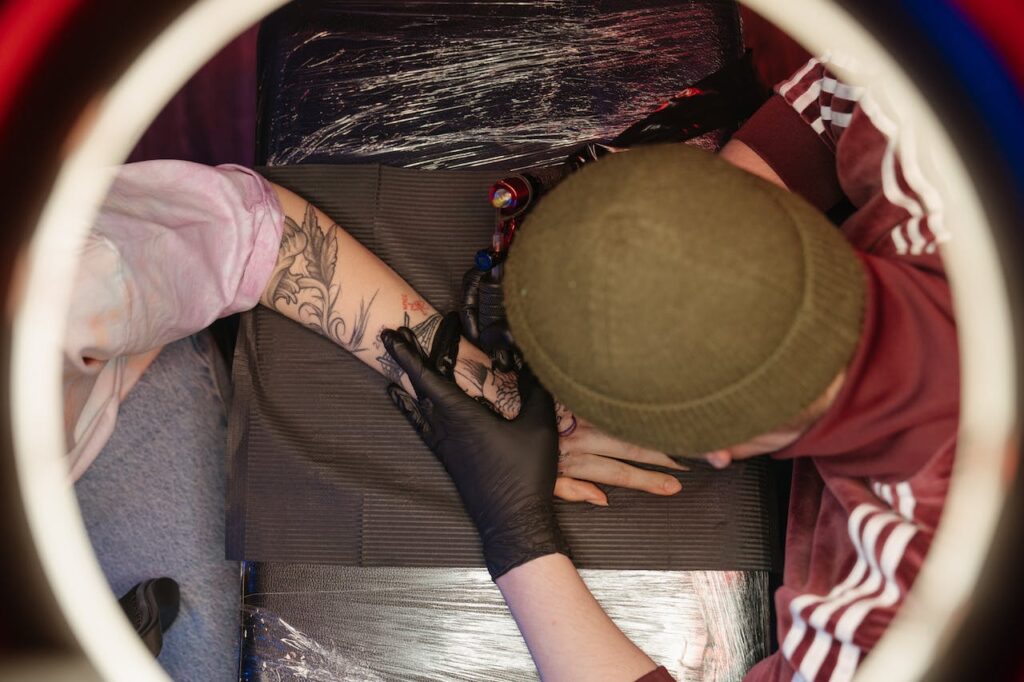
The art of tattooing is a diverse and multifaceted world, encompassing a vast array of styles, techniques, and aesthetics influenced by history, culture, and the evolution of artistic expression. For those embarking on their tattoo journey or looking to expand their existing body art collection, understanding the unique characteristics, historical context, and visual appeal of various tattoo styles is essential for finding a design that truly resonates with your personal style and story. In this comprehensive guide to tattoo styles, we delve into the rich history, distinctive visuals, and underlying techniques of popular tattoo genres, providing an in-depth exploration of both traditional and contemporary approaches to the art form. From the bold lines and saturated colours of Traditional American tattoos to the intricate shading and realism of Black and Grey designs, Tirta Bali Tattoo & Studio offers a wealth of expertise across various styles, empowering clients to discover and express their unique creative vision with the support and guidance of our skilled team of artists. With a focus on education, inspiration, and informed decision-making, this guide aims to cultivate a deeper understanding and appreciation of the tattoo art form, enabling clients to navigate the world of tattoo styles with confidence and clarity. Whether exploring the symbolic imagery and precise linework of Tribal tattoos or marvelling at the ethereal beauty and delicate detail of Watercolour designs, our immersive exploration of tattoo styles presents a fascinating journey through the realms of artistic expression and personal transformation, providing the essential knowledge and insights required to find the perfect tattoo design that speaks to your soul. Traditional American Tattoos: Bold Imagery and Colourful History Rooted in the rich history of North American tattooing, Traditional American tattoos, often referred to as “Old School” tattoos, are characterised by their bold black outlines, saturated colours, and iconic imagery such as anchors, roses, and eagles. Developed in the early 20th century by pioneering tattoo artists like Sailor Jerry, Traditional American tattoo designs have remained popular for their simplistic yet powerful visuals, ability to illustrate personal stories, and cultural symbolism inspired by maritime and wartime experiences. When choosing a Traditional American tattoo design, clients often opt for customised designs that incorporate timeless elements with personal meaning and symbolism. With their profound historical context and vivid aesthetics, Traditional American tattoos offer a versatile and enduring choice for those seeking a design that embodies strength, resilience, and a connection to the past. Japanese Tattoos: Intricate Storytelling and Cultural Heritage Dating back thousands of years, Japanese tattooing is a deeply embedded cultural tradition that encompasses sophisticated narratives, intricate designs, and meticulous attention to detail. Showcasing complex scenes from mythology, folklore, and historical events, traditional Japanese tattoos, also known as “Irezumi”, often cover large areas of the body, providing expansive canvases for elaborate compositions and storytelling. Recognisable by their large-scale designs, rich colours, and precise shading techniques, Japanese tattoos are revered for their harmonious blending of aesthetics and symbolism, embodying concepts of balance, nature, and spiritualism. Working with an experienced tattoo artist familiar with the cultural nuances, intricate techniques, and historical context of Japanese tattooing is essential when embarking on a Japanese-inspired tattoo journey. Black and Grey Tattoos: Impactful Realism and Timeless Elegance Originating in the streets and prisons of the mid-20th century, Black and Grey tattooing has evolved into a revered artistic genre, distinguished by its photorealistic detail, smooth shading, and timeless monochromatic palette. Depicting a wide range of subjects, from portraits and animals to landscapes and abstract designs, Black and Grey tattoos offer an expressive yet classic aesthetic that appeals to a broad audience. To achieve the striking realism and depth of Black and Grey tattoos, artists employ a range of techniques, such as stippling, layering, and blending, resulting in exquisite textures, lifelike dimensions, and a captivating visual impact. Ideal for those seeking a subtle, sophisticated, and enduring tattoo design, Black and Grey’s tattoos offer an opportunity to capture the essence and nuance of the subject matter with arresting detail and elegance. Watercolour Tattoos: Ethereal Beauty and Artistic Expression Inspired by the fluidity and spontaneity of watercolour paintings, Watercolour tattoos infuse the skin with delicate washes of colour, blending illustrative elements with abstract patterns and splashes. Characterised by their soft gradients, dreamy aesthetics, and free-form composition, Watercolour tattoos provide an enchanting canvas for poetic expression, self-discovery, and artistic exploration. When selecting a Watercolour tattoo design, clients often choose subjects that resonate on an emotional or intuitive level, such as nature-inspired scenes, abstract patterns, or themes of personal growth and transformation. Collaborating with an experienced and innovative tattoo artist is key to achieving the desired levels of delicacy, nuance, and fluidity intrinsic to this enchanting tattoo style. Conclusion Navigating the diverse landscape of tattoo styles and designs can be an exhilarating and informative journey, unveiling a world of artistic innovation, cultural history, and timeless symbolism that fuels our passion for self-expression and transformative body art. By exploring the unique aesthetics, techniques, and contexts of various tattoo styles, clients can make confident and informed decisions, identifying the perfect design that resonates with their individual tastes, values, and stories. With Tirta Bali Tattoo & Studio’s expert guidance and artistic versatility, clients can discover their ideal tattoo design and embark on a fulfilling and transformative creative experience, bringing their unique visions to life with skill, passion, and a true understanding of the rich tapestry that is the art of tattooing. Are you ready to explore the fascinating world of tattoo styles and discover your perfect design? Schedule your personalised consultation with Tirta Bali Tattoo & Studio today, and let our skilled team guide you through the exhilarating process of selecting your dream tattoo, crafting a lasting reflection of your personal style and story. Visit our tattoo studio in Bali and begin your transformative tattoo adventure!
Crafting Your Personal Narrative: Steps to Designing a Unique Tattoo
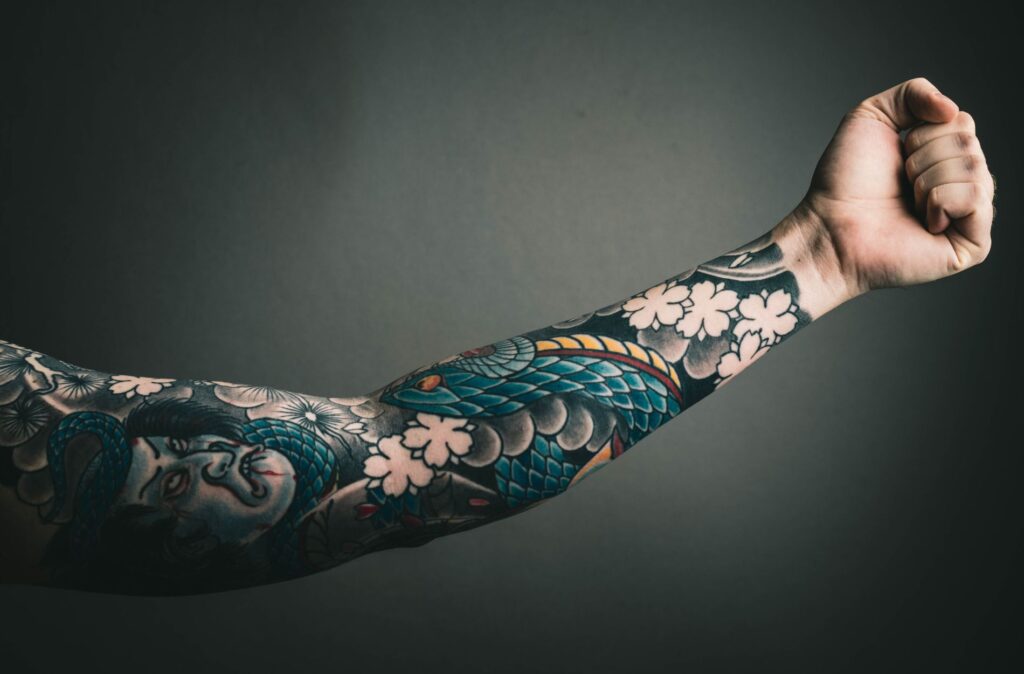
Tattoos are more than just ink on the skin. They’re a form of self-expression, a way to pay homage to someone or something special, or even a personal reminder of a significant life event. There’s no denying the impact these permanent pieces of art can have, not only on the wearer but also on those who catch a glimpse of them. To create a truly unique and meaningful tattoo, it takes more than just a skilled tattoo artist. It involves a deep understanding of the art of tattoo design, which is an intricate process that marries creativity with technical expertise. In the world of tattoo design, every line, shade, and colour has a purpose. The best designs are those that can tell a story, evoke an emotion, or symbolise a deep-seated belief. They’re crafted with careful consideration of each element, from the overall concept down to the smallest detail. No two designs are the same, just as no two individuals are the same. But how do you go about creating a tattoo that’s not only unique but also meaningful? What are the key elements to consider? What tips can help ensure that your design will stand the test of time? These are some of the questions we’ll explore, offering insights and guidance to those who are keen to dive into the fascinating world of tattoo design. Whether you’re a beginner or an experienced artist, a tattoo enthusiast or a curious observer, there’s something for everyone in this exploration of the art behind the ink. Exploring Different Tattoo Styles A fundamental aspect of designing a custom tattoo is understanding the diverse range of tattoo styles available. Gaining an appreciation of the characteristics and history of various styles will enable you to select the perfect genre to represent your desired aesthetic and concept. Some popular genres to consider include: 1. Traditional: Characterised by its bold black outlines, solid colour fills, and iconic imagery, traditional (or Old School) tattoos have their roots in early Western tattoo culture. Common themes in traditional tattoos include roses, skulls, and nautical symbols. 2. Neo-Traditional: Evolving from the traditional genre, neo-traditional tattoos incorporate contemporary techniques and concepts. While still maintaining bold outlines and vibrant colours, neo-traditional designs often feature enhanced details and a broader range of content. 3. Realism: As the name suggests, realism tattoos strive for a lifelike representation of their subject matter. This style often involves intricate shading and detail, and can encompass portraiture, nature, or any subject that requires accurate representation. 4. Tribal: With origins in indigenous cultures across the globe, tribal tattoos are characterised by bold, black, geometric patterns, and symbolic imagery. These designs often have cultural significance and are a popular choice for those seeking to honour their heritage or spiritual beliefs. 5. Geometric: This style focuses on the use of geometric shapes and patterns, often creating visually captivating and intricate designs. Geometric tattoos may feature sacred geometry, mandalas, or simply mesmerising patterns. Choosing the Right Colours Colour selection is an impactful element that can enhance or detract from your custom tattoo design. Consider the following factors when deciding upon your tattoo’s colour palette: 1. Personal Preference: Your tattoo should be a reflection of your unique style and preferences. Consider which colours you gravitate towards, or whether you prefer the contrasting effect of black and grey tattoos. 2. Skin Tone Compatibility: Your skin tone plays a significant role in how colours appear and fade over time. Seeking advice from a professional tattoo artist, such as those at Tirta Bali Tattoo & Studio, will ensure you select colours that complement your skin tone and maintain vibrancy. 3. Contrast and Harmony: Striking a balance between contrasting colours and harmonious palettes will make your tattoo visually captivating while maintaining its coherence. The Importance of Placement and Size Selecting an appropriate placement and size for your custom tattoo is a crucial consideration that can impact its overall aesthetic and integration with existing tattoos. Some factors to take into account include: 1. Visibility: Consider whether you’d like your tattoo to be visible on a daily basis, or if you prefer the ability to cover it for work or special occasions. The visibility of your tattoo can also affect its ageing process, with areas exposed to more sun and friction fading more quickly. 2. Pain Tolerance: Some areas of the body are more sensitive than others, making the tattoo experience potentially more painful. If you have a low pain tolerance, selecting a more comfortable area may be advisable. 3. Integration with Future Tattoos: If you plan on expanding your tattoo collection, consider how your current design will integrate with subsequent pieces and if it allows for future additions. Incorporating Personal Symbolism and History To truly create a unique and meaningful tattoo, consider drawing inspiration from your personal experiences, beliefs, or cultural heritage: 1. Personal Experiences: Reflect on significant life events, accomplishments, or personal relationships that hold meaning for you. Incorporating symbolism relating to these experiences can make your tattoo a powerful reminder and source of inspiration. 2. Beliefs and Values: Spiritual, philosophical, or moral beliefs can offer rich symbolism and content for a meaningful tattoo design. 3. Cultural Heritage: Honouring your cultural background by incorporating traditional imagery, patterns, or concepts can create a connection to your ancestry and celebrate your roots. Beyond the Surface: The Deeper Meaning Behind Tattoo Designs The realm of tattoo design is expansive, encompassing various styles, techniques, and traditions, each with its unique charm and significance. Whether it’s the dense, intricate patterns of tribal tattoos, the vibrant, bold strokes of American traditional, or the soft, delicate lines of watercolour tattoos, there’s a style out there for every story waiting to be told. Allow the remarkable artists at Tirta Bali Tattoo & Studio to support you through the design process, ensuring a high-quality and meaningful result that will stand the test of time. Contact our tattoo studio in Bali today to book a consultation and start your exciting tattoo journey!
Understanding Tattoo Aftercare: Essential Tips for Preserving Your New Body Art
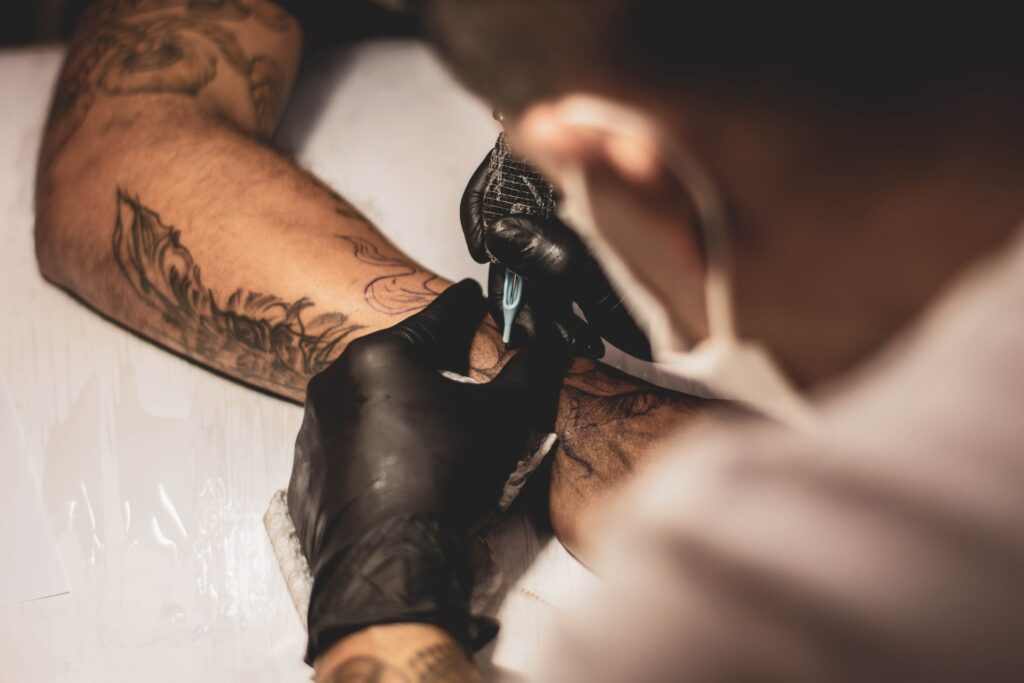
Getting a new tattoo can be an exhilarating and rewarding experience, but the journey doesn’t end once you leave the tattoo studio. Proper aftercare is essential in preserving the beauty, integrity, and longevity of your body art. Neglecting aftercare can lead to complications, such as infections, scarring, and fading, ultimately impacting the final result of your carefully chosen and thoughtfully designed tattoo. As a renowned Bali tattoo studio and home to some of Bali’s finest tattoo artists, Tirta Bali Ink Tattoo Studio understands the crucial role of aftercare in maintaining the quality of your tattoo. In this comprehensive guide, we will delve into essential aftercare tips, explore common misconceptions, and offer expert advice on what to expect during the healing process. With Tirta Bali Ink Tattoo Studio’s expert guidance on tattoo aftercare, you can confidently embark on your tattoo journey, knowing that you’re taking the necessary steps to preserve and protect your new body art. Embrace the healing process and let your tattoo be a lasting reflection of your unique story. Looking for a reliable and experienced tattoo studio for your next tattoo? Trust the experts at Tirta Bali Ink Tattoo Studio to help you create the perfect design and ensure your tattoo journey is a seamless and enjoyable experience. Book your appointment today and let us bring your vision to life. Understanding Tattoo Aftercare: Essential Tips for Preserving Your New Body Art The Fundamentals of Tattoo Aftercare Once you leave the tattoo studio, it’s crucial to establish a consistent and thorough aftercare routine. Here are the fundamental aspects of tattoo aftercare to help guide you through the healing process: 1. Cleaning: Gently wash your tattoo several times a day using lukewarm water, mild soap, and clean hands. Avoid scrubbing or using abrasive materials, as this can cause irritation and delay the healing process. 2. Moisturising: Keep your tattoo properly moisturised with a recommended ointment or lotion, free of artificial fragrances and harsh chemicals. Apply a thin layer of moisturiser and gently massage it into the skin to promote healing. 3. Bandaging: After washing and moisturising, it is often recommended to lightly apply a non-adhesive bandage or breathable tattoo foam to protect your tattoo from dirt and bacteria. However, avoid wrapping your tattoo for extended periods, as this can lead to excess moisture and slow the healing process. 4. Avoiding Excessive Sun Exposure: As your tattoo heals, avoid direct sun exposure and tanning beds, as these can cause fading and damage to your new tattoo. Once your tattoo is fully healed, always apply a high-spf sunblock to protect your ink. Debunking Tattoo Aftercare Myths Navigating the world of tattoo aftercare can be confusing and overwhelming. To ensure the best possible outcome for your tattoo, it’s important to separate facts from myths. Here are some common misconceptions: 1. Exposing Your Tattoo to Air: While it’s crucial to allow your tattoo to breathe, leaving it exposed to air for extended periods can cause drying, cracking, and scabbing. Maintain a balance of proper bandaging and limited air exposure for optimal healing. 2. Picking at Scabs or Peeling Skin: As tempting as it may be to pick at scabs or peel skin, doing so can result in uneven ink distribution and scarring. Allow your tattoo to heal naturally and resist the urge to interfere. 3. Submerging Your Tattoo: Avoid swimming or soaking in baths, hot tubs, and saunas during the healing process, as this may introduce bacteria and delay healing. Wait until your tattoo is fully healed before enjoying these activities. Factors Influencing the Healing Process Your tattoo’s healing process can be affected by a variety of factors, such as overall health, skin type, and lifestyle. Being aware of these variables will help you make informed decisions and adapt your aftercare routine accordingly: 1. Overall Health: Your immune system plays a significant role in the healing process, so maintaining good health can promote faster and more efficient healing. Consider adopting a balanced diet, staying hydrated, and getting sufficient sleep during the healing period. 2. Skin Type: Individuals with sensitive or dry skin may experience more irritation or slower healing. Consult with your tattoo artist to determine a tailored aftercare routine based on your unique skin type. 3. Lifestyle: Factors such as physical activity and clothing choice can impact your tattoo’s healing process. Choose clothing made from breathable materials and avoid placing excessive pressure on your tattoo to reduce the risk of damage and complications. The Importance of Tattoo Touch-Ups Regardless of the quality of your tattoo and aftercare routine, touch-ups may be necessary to maintain the vibrancy and detail of your body art. Here’s what you need to know: 1. When to Schedule a Touch-Up: It’s generally advised to wait until your tattoo is entirely healed before scheduling a touch-up, usually within six to eight weeks past the initial appointment, depending on the tattoo’s location, size, and complexity. 2. How to Approach Your Tattoo Artist: Reach out to the artist who completed your tattoo for touch-up services, as they will be familiar with the design and techniques used. Provide clear images of areas in need of touch-up to ensure a smooth process. Conclusion Ensuring proper tattoo aftercare is vital to preserving the beauty, integrity, and longevity of your body art. With a solid understanding of the fundamental aspects of tattoo aftercare, common myths, factors influencing the healing process, and the importance of touch-ups, you can confidently navigate your tattoo journey. Trust the experts at Tirta Bali Ink Tattoo Studio to create a unique and stunning design, as well as guide you through every stage of the tattoo process, from initial consultation to aftercare and touch-ups. Schedule your appointment now with our expert tattoo artists and let Tirta Bali Ink Tattoo Studio bring your vision to life.
A Beginner’s Guide to Body Piercings: Types, Techniques, and Finding the Best Studio in Bali

Body piercings have long been a popular choice for personal expression and individuality. From more common piercings, such as ears and nostrils, to unique and unconventional placements, body piercings offer a wide variety of options to choose from, catering to all tastes and desires. If you’re a newcomer to the world of body piercing or simply looking to expand your knowledge, Tirta Bali Ink Tattoo Studio is here to help. In this beginner’s guide, we’ll delve into the various types and techniques of body piercings, explore what to expect, and offer expert advice on finding the best piercing studio for your needs in Bali. Embarking on your body piercing journey can be both exciting and daunting, but with Tirta Bali Ink Tattoo Studio’s expert guidance and advice, you’ll be well-equipped to make the best decision for yourself. Join the world of body piercings and let your individuality shine! Ready to begin your body piercing journey? Schedule a consultation with one of our skilled and experienced piercers at Tirta Bali Ink Tattoo Studio and let us guide you every step of the way. Book your appointment now and discover a new form of self-expression! A Beginner’s Guide to Body Piercings: Types, Techniques, and Finding the Best Studio in Bali Exploring the Different Types of Body Piercings As you dive into the world of body piercings, it’s essential to familiarise yourself with the variety of available options. In this section, we’ll discuss some popular piercing types to help guide your decision: 1. Ear Piercings: Ear piercings are among the most common types of body piercings, ranging from traditional lobe piercings to more adventurous options like helix, daith, tragus, and industrial piercings. 2. Facial Piercings: Facial piercings provide a bold and striking form of self-expression and include eyebrow, septum, nostril, lip, and cheek piercings. 3. Body Piercings: These piercings encompass a wide range of locations on the body and can include navel, nipple, and surface piercings, such as collarbone or hip piercings. 4. Dermal and Microdermal Piercings: Dermal and microdermal piercings involve inserting a small anchor beneath the skin’s surface, allowing a decorative jewellery piece to sit flush against the skin. These piercings can be placed virtually anywhere on the body. Understanding Piercing Techniques and Methods When researching body piercings, it’s important to understand the methods and techniques used by professional piercers: 1. Needle Piercing: This is the most common method for most types of body piercings and involves using a hollow, surgical-grade needle to create a small opening for the jewellery to be inserted. Needle piercing is generally considered the safest and least painful option, as it causes minimal damage to the surrounding tissue. 2. Dermal Punching: Used primarily for certain cartilage piercings or dermal anchors, dermal punching involves removing a small piece of tissue, creating a larger hole for the jewellery. This technique requires more expertise than needle piercing and has a longer recovery time. 3. Piercing Guns: Though more commonly used for earlobe piercings, it’s essential to note that piercing guns are not recommended by professional piercers. The force exerted by the gun can cause trauma to the tissue and significantly increase the risk of infection and complications. Essential Aftercare Tips for a Successful Piercing Experience Proper aftercare is vital to ensure a successful and infection-free piercing experience. Follow these essential aftercare tips to keep your new piercing in top condition: 1. Cleaning and Care: Gently clean your piercing with a saline solution or an approved cleaning product daily. Avoid touching it with dirty hands or using alcohol, hydrogen peroxide or any harsh chemicals that can cause irritation and delay the healing process. 2. The Healing Process: The duration of the healing process can vary depending on the type and location of the piercing. Be patient during this time, and resist the urge to change your jewellery or manipulate the piercing site. 3. Signs of Complications: Keep an eye out for any signs of infection, such as redness, swelling, or discharge. If you suspect an infection or experience excessive pain, consult with a professional piercer immediately for guidance. Finding the Best Piercing Studio in Bali Choosing a reputable and skilled piercing studio is crucial when embarking on your body piercing journey. Here are factors to consider when looking for the best studio in Bali: 1. Qualifications and Expertise: It’s essential to choose a studio with experienced and well-trained piercers. Look for professionals who hold relevant certifications and have a proven track record of successful piercings. 2. Cleanliness and Hygiene Practices: A clean and well-maintained studio is a critical indicator of a professional piercing service. Choose a studio that follows strict hygiene practices, such as sterilizing equipment, using single-use needles, and wearing gloves. 3. Client Testimonials: Research client reviews and testimonials to gauge the quality and reliability of the piercing studio. Pay attention to comments on the piercers’ abilities, cleanliness, and customer service. 4. Variety of Available Piercings: Choose a studio that offers a wide range of piercing options, allowing you to find the perfect fit for your personal style. Conclusion Body piercings are a powerful form of self-expression that can be both exciting and rewarding. By learning about different types of piercings, understanding the techniques and methods, adhering to essential aftercare tips, and finding a reputable piercing studio, you’ll be well-equipped to embark on your unique body piercing journey. Look no further than Tirta Bali Ink Tattoo Studio for your next piercing adventure. Our experienced and skilled piercers will work with you to create a safe, hygienic, and comfortable experience, ensuring your satisfaction with the final result. Schedule a consultation today and embrace the captivating world of body piercings!


